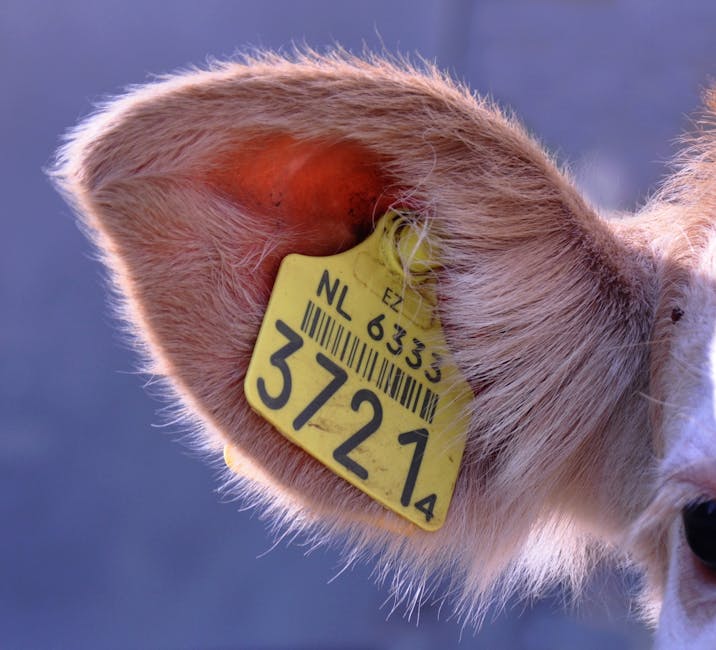
Canine Babesiosis in livestock

The bond we share with our dogs is truly special. They’re more than just pets; they’re cherished family members, bringing joy, laughter, and companionship into our lives. As responsible pet parents, we strive to keep them happy and healthy, which includes being aware of the potential health threats they face. Among the various dangers lurking in our environment, one silent but serious adversary stands out: ticks. These tiny arachnids are not just annoying; they are vectors for a host of dangerous pathogens, including the parasites responsible for canine babesiosis.
Canine babesiosis is a debilitating tick-borne disease that can have severe consequences for your beloved companion. It’s a condition that affects dogs worldwide, varying in prevalence and severity depending on geographical location and the specific species of parasite involved. Understanding this dog disease is crucial for every owner, especially those living in or traveling to areas where ticks are common. This comprehensive guide will walk you through everything you need to know about canine babesiosis, from recognizing the symptoms of babesiosis in dogs to exploring treatment options for canine babesiosis and, most importantly, learning how to prevent canine babesiosis. By arming yourself with knowledge, you can become your dog’s first line of defense against this pervasive threat.
What Exactly is Canine Babesiosis?
At its core, canine babesiosis is a parasitic infection caused by protozoa of the genus Babesia. These microscopic parasites invade and destroy a dog’s red blood cells, leading to a range of clinical signs that can vary from mild to life-threatening. The primary mode of transmission for Babesia is through the bite of an infected tick. When a tick feeds on an infected dog, it ingests the parasites. These parasites then mature within the tick and are subsequently transmitted to another dog during a later blood meal. It’s a classic example of a tick-borne disease that highlights the critical importance of effective tick control.
While tick bites are the most common route, there are other, less frequent ways your dog could contract babesiosis. These include blood transfusions from an infected donor, direct dog-to-dog transmission through severe bite wounds (though rare), and even transplacental transmission from an infected mother dog to her puppies. Regardless of how your dog might be exposed, the outcome is the same: the Babesia parasites begin their destructive work on the red blood cells, leading to anemia and other systemic issues. This makes early detection and intervention key to a positive outcome.
The Many Faces of Babesia: Types and Geographic Variations
It’s important to understand that “babesiosis” isn’t caused by a single, monolithic parasite. There are several different species of Babesia that can infect dogs, and these species are generally categorized into “large” and “small” forms based on their size when viewed under a microscope. The specific Babesia species involved can significantly influence the severity of the disease, the symptoms your dog experiences, and the effectiveness of certain treatment options for canine babesiosis.
Large Babesia Species
The most well-known large Babesia species include Babesia canis, Babesia vogeli, and Babesia rossi.
- Babesia canis: Often associated with the brown dog tick (Rhipicephalus sanguineus) and the ornate dog tick (Dermacentor reticulatus), B. canis can cause severe disease, particularly in Europe.
- Babesia vogeli: Also primarily transmitted by the brown dog tick, this species is widespread globally and generally causes a milder form of babesiosis, though severe cases can occur.
- Babesia rossi: Found predominantly in Africa, B. rossi is considered one of the most pathogenic species, often causing highly acute and severe forms of the disease.
Small Babesia Species
Small Babesia species, such as Babesia gibsoni, Babesia conradae, and Babesia vulpes (formerly Babesia microti-like or Theileria annae), present different challenges.
- Babesia gibsoni: This species is a significant concern in North America, Asia, and other parts of the world. It is often transmitted by the brown dog tick but can also be spread through dog-to-dog fighting and blood transfusions, making breeds like Pit Bull Terriers particularly susceptible due to breed-specific fighting practices. It can cause a severe, often chronic form of the disease.
- Babesia vulpes: This species has gained recognition in Europe and North America and is transmitted by fox ticks (Ixodes hexagonus and other Ixodes species). It can cause persistent and often severe gastrointestinal signs, alongside anemia.
The geographical distribution of these tick species and their associated Babesia parasites means that the risk of exposure varies widely. For instance, a dog living in the southern United States might be more likely to encounter B. vogeli or B. gibsoni, while a dog traveling through Europe might be at risk for B. canis or B. vulpes. Understanding your local tick populations and their associated diseases is a crucial part of proactive veterinary medicine and prevention.
Recognizing the Red Flags: Symptoms of Babesiosis in Dogs
One of the most challenging aspects of canine babesiosis is the wide spectrum of clinical signs your dog might exhibit. The symptoms of babesiosis in dogs can vary significantly based on the specific Babesia species involved, the dog’s age, its immune status, and whether the infection is acute (sudden and severe) or chronic (long-lasting and subtle). However, because the parasites target red blood cells, many of the symptoms revolve around anemia and its consequences.
If you suspect your dog has been exposed to ticks or lives in an endemic area, it’s vital to be vigilant for any changes in their health or behavior. Early recognition can make a substantial difference in the prognosis.
Here are some common signs to watch out for:
- Lethargy and Weakness: Your dog might seem unusually tired, reluctant to play, or less active than usual. This is often one of the first and most noticeable symptoms, stemming from the anemia and reduced oxygen-carrying capacity of the blood.
- Anorexia (Loss of Appetite): A significant decrease or complete refusal to eat is a common indicator that something is wrong.
- Fever: An elevated body temperature is a frequent response to the infection. Your dog might feel warm to the touch.
- Pale Gums: Healthy dog gums are typically pink. If they appear pale, whitish, or even grey, it’s a strong sign of anemia. Check inside their eyelids as well.
- Jaundice (Yellowish Skin or Eyes): This symptom, also known as icterus, occurs when red blood cells are rapidly destroyed, releasing bilirubin into the bloodstream. You might notice a yellow tinge to their gums, the whites of their eyes, or their skin (especially visible on the inner ear flaps or belly).
- Dark Urine: The breakdown of red blood cells can release hemoglobin, which is then excreted in the urine, making it dark yellow, orange, or even brown (hemoglobinuria). This is a critical symptom to watch for.
- Splenomegaly (Enlarged Spleen): The spleen plays a role in filtering blood and can become enlarged as it tries to cope with the increased destruction of red blood cells and the presence of parasites. Your veterinarian might detect this during a physical exam.
- Lymphadenopathy (Enlarged Lymph Nodes): Swollen lymph nodes, particularly those near the areas of tick bites, can indicate an immune response to the infection.
- Weight Loss: In chronic cases, or if anorexia persists, your dog may lose a noticeable amount of weight.
- Gastrointestinal Upset: Vomiting and diarrhea can occur, particularly with some species like B. vulpes.
- Neurological Signs: In severe cases, especially when the disease progresses, some dogs may develop neurological symptoms such as tremors, seizures, or incoordination due to damage to blood vessels in the brain.
- Kidney Failure: Damage to the kidneys can occur in severe, advanced cases.
It’s crucial to remember that these symptoms are not exclusive to babesiosis and can be indicative of other dog diseases. Therefore, if you observe any of these signs, especially after known tick exposure, contact your veterinarian immediately for a proper diagnosis of babesiosis in dogs.
Unraveling the Mystery: Diagnosis of Babesiosis in Dogs
Accurate and timely diagnosis of babesiosis in dogs is paramount for initiating effective treatment and improving your dog’s chances of recovery. Given the non-specific nature of many of the symptoms, your veterinarian will need to conduct a thorough examination and utilize specific diagnostic tests to confirm the presence of Babesia parasites.
The diagnostic process typically begins with a detailed history, where your vet will ask about your dog’s recent activities, travel history, tick exposure, and any symptoms you’ve observed. A comprehensive physical examination will assess your dog’s overall health, looking for signs like pale gums, jaundice, fever, and enlarged organs.
Here are the key diagnostic tools your veterinarian may employ:
- Blood Smear Examination: This is often the first step. A drop of your dog’s blood is spread thinly on a slide, stained, and examined under a microscope. The veterinarian looks for the Babesia parasites within the red blood cells. While this method can provide a quick presumptive diagnosis, its sensitivity varies. Parasites might not be easily detectable, especially in early or chronic infections, or if the parasitemia (number of parasites in the blood) is low. Different species of Babesia have distinct appearances, which can help in identification.
- Polymerase Chain Reaction (PCR) Testing: PCR is considered the gold standard for diagnosing babesiosis. This highly sensitive and specific molecular test detects the DNA of the Babesia parasite in a blood sample. It can identify even a small number of parasites and can often differentiate between different Babesia species, which is crucial for determining the most effective treatment options for canine babesiosis. PCR tests are particularly useful when blood smears are negative but babesiosis is still suspected.
- Serology (Antibody Tests): These tests detect the presence of antibodies against Babesia in your dog’s blood. A positive antibody test indicates that your dog has been exposed to Babesia at some point. However, it doesn’t necessarily mean there’s an active infection, as antibodies can persist long after the infection has cleared or been treated. Serology is useful for screening, particularly in endemic areas, or for identifying dogs that have been exposed in the past. It often takes a few weeks for antibodies to develop after exposure, so it may not be helpful in the very early stages of an acute infection.
- Complete Blood Count (CBC): A CBC provides a detailed look at your dog’s blood cells. In dogs with babesiosis, it commonly reveals:
- Anemia: A decrease in red blood cell count, hemoglobin, and hematocrit, which can be regenerative (the body is trying to make new red blood cells) or non-regenerative (the body isn’t responding adequately).
- Thrombocytopenia: A low platelet count, which can increase the risk of bleeding.
- Changes in white blood cell counts, such as leukocytosis (increased white blood cells) or leukopenia (decreased white blood cells), depending on the stage and severity of the infection.
- Biochemistry Profile: This blood test evaluates organ function. In babesiosis, it might show elevated liver enzymes, elevated bilirubin (indicating jaundice), and changes in kidney values, especially in severe cases.
- Urinalysis: Examining a urine sample can reveal the presence of hemoglobin (hemoglobinuria), which contributes to the dark urine seen in some affected dogs.
Your veterinarian will carefully interpret these test results in conjunction with your dog’s clinical signs and history to establish an accurate diagnosis and formulate the most appropriate treatment plan.
Charting the Course to Recovery: Treatment Options for Canine Babesiosis
Once a definitive diagnosis of babesiosis in dogs has been made, your veterinarian will discuss the most effective treatment options for canine babesiosis. The specific protocol will largely depend on the Babesia species identified, the severity of your dog’s symptoms, and their overall health. Treatment typically involves a combination of specific anti-parasitic medications and crucial supportive care.
Specific Anti-parasitic Medications
The choice of drug is critical, as different Babesia species respond differently to various medications.
- Imidocarb Dipropionate: This is the most common drug used for treating large Babesia species (B. canis, B. vogeli, B. rossi). It is administered via injection and typically requires one or two doses. While effective, it can have side effects such as pain at the injection site, salivation, vomiting, diarrhea, and restlessness. Your veterinarian may prescribe a concurrent medication like atropine to mitigate some of these side effects.
- Atovaquone and Azithromycin Combination: This combination therapy is the preferred treatment for small Babesia species, particularly Babesia gibsoni. Atovaquone is an anti-malarial drug, and when combined with the antibiotic azithromycin, it has proven highly effective against these more challenging parasites. This treatment usually involves daily oral administration for several weeks. While generally well-tolerated, it can be more expensive.
- Doxycycline: While not directly anti-babesial, doxycycline is an antibiotic often prescribed alongside other treatments. It is effective against various co-infections that ticks can transmit (such as Ehrlichia or Anaplasma), and it can help reduce inflammation and secondary bacterial infections that might complicate babesiosis.
- Clindamycin: In some specific cases, clindamycin may be used in combination with other drugs, particularly for B. gibsoni.
Supportive Care
Beyond targeting the parasite, supportive care is vital to manage the symptoms and complications of babesiosis, helping your dog recover and regain strength.
- Fluid Therapy: Intravenous (IV) fluids are often administered to combat dehydration, maintain electrolyte balance, and support organ function, especially in dogs that are vomiting or anorexic.
- Blood Transfusions: For dogs suffering from severe, life-threatening anemia (very low red blood cell counts), blood transfusions are a critical intervention. This provides immediate red blood cells, improving oxygen-carrying capacity and stabilizing the patient. Your veterinarian will carefully cross-match the blood to minimize adverse reactions.
- Anti-inflammatory Medications: Non-steroidal anti-inflammatory drugs (NSAIDs) or corticosteroids may be used cautiously to manage fever, pain, and inflammation, though corticosteroids are generally avoided in the acute phase due to their immunosuppressive effects.
- Gastroprotectants: Medications to protect the stomach lining may be given if your dog is experiencing vomiting or has a risk of gastric ulcers.
- Iron Supplementation: Once the acute phase of the disease is controlled, your veterinarian might recommend iron supplements to help your dog’s body produce new red blood cells.
- Nutritional Support: Ensuring your dog receives adequate nutrition is paramount. If they are unwilling to eat, your vet might suggest appetite stimulants or even consider a feeding tube in very severe, prolonged cases.
Regular monitoring of your dog’s blood work (CBC, biochemistry) is essential throughout the treatment period to assess their response to medication and adjust supportive care as needed. Follow-up PCR tests may also be recommended to confirm clearance of the parasite.
Is Canine Babesiosis Curable?
This is a frequently asked question with a nuanced answer. Many dogs with babesiosis can achieve a clinical cure, meaning their symptoms resolve, they regain their health, and they appear completely normal. However, achieving a sterile cure (complete elimination of the parasite from the body, rendering the dog non-infectious) can be challenging, particularly with certain species like Babesia gibsoni or Babesia vulpes.
Some dogs, even after successful treatment and resolution of symptoms, may remain chronic carriers of the parasite. While they may show no signs of illness, they could potentially transmit the infection to ticks, or in rare cases, through blood transfusions or dog bites. Relapses can also occur, especially if the dog becomes stressed or immunosuppressed. This emphasizes the importance of ongoing vigilance, regular veterinary check-ups, and discussing the long-term prognosis with your vet.
Shielding Your Canine Companion: How to Prevent Canine Babesiosis
As with most dog diseases, prevention is always better than cure, and this is especially true for tick-borne diseases like canine babesiosis. Taking proactive steps to protect your dog from ticks is the single most effective way to prevent this serious illness. Effective prevention strategies often involve a multi-pronged approach, combining veterinary products with environmental management and diligent owner practices.
Here’s how to prevent canine babesiosis:
- Consistent Tick Control Products: This is the cornerstone of prevention. There are numerous highly effective veterinary medicine products available today that can repel, kill, or sterilize ticks.
- Oral Preventatives: Chewable tablets are widely used and very popular. Many offer broad-spectrum protection against fleas and ticks for a month or several months. These medications work systemically, so when a tick bites your dog, it ingests the medication and dies.
- Topical Spot-Ons: These liquid formulations are applied to your dog’s skin, typically between the shoulder blades, and distribute across the body. They offer protection for several weeks.
- Tick Collars: Some collars release active ingredients that repel or kill ticks. Ensure the collar is fitted correctly and is specifically designed for tick prevention.
- Sprays and Shampoos: While less long-lasting, these can be useful for immediate kill or for dogs in highly infested areas, often used in conjunction with other preventatives. It’s crucial to discuss the best option for your dog with your veterinarian, considering their lifestyle, geographical location, and any existing health conditions. Always use products specifically formulated for dogs, and never use cat products on dogs or vice versa, as ingredients can be toxic.
- Regular Tick Checks: Even with preventatives, no method is 100% foolproof. Make it a routine to thoroughly check your dog for ticks, especially after walks, hikes, or any time spent outdoors, particularly in wooded or grassy areas. Pay close attention to warm, hidden spots like:
- Behind and inside the ears
- Around the neck and collar area
- Between the toes
- In the armpits and groin
- Around the tail
- Proper Tick Removal: If you find a tick, remove it promptly and correctly. Use fine-tipped tweezers to grasp the tick as close to the skin as possible. Pull upward with steady, even pressure. Do not twist or jerk, as this can cause the mouthparts to break off and remain embedded. Avoid using methods like burning the tick or applying petroleum jelly, as these can cause the tick to regurgitate infectious fluids into your dog. After removal, clean the bite area with antiseptic. Consider saving the tick in a sealed bag or jar with a damp paper towel (if your vet advises) for potential identification, which can help in diagnosing tick-borne diseases.
- Environmental Control: Manage your outdoor environment to reduce tick habitats. Keep grass mowed short, clear leaf litter, and remove brush and tall weeds from around your yard and property perimeter. Creating a barrier of wood chips or gravel between wooded areas and your lawn can also deter ticks.
- Avoid High-Risk Areas: If possible, try to avoid walking your dog in areas known to be heavily infested with ticks, such as dense woods, tall grassy fields, or marshy areas, especially during peak tick seasons. Stick to cleared trails and paths when hiking.
- Travel Awareness: If you travel with your dog to different regions or countries, research the prevalent tick-borne diseases in those areas and discuss enhanced prevention strategies with your veterinarian before you go.
- Vaccination (Limited Availability): While a vaccine for Babesia canis is available in some parts of the world (primarily Europe), it is not widely available or effective against all Babesia species globally. Discuss with your veterinarian if a vaccine is recommended or available in your region. It’s important to note that even vaccinated dogs still require robust tick control measures.
By consistently implementing these prevention strategies, you significantly reduce your dog’s risk of contracting canine babesiosis and other dangerous tick-borne diseases, ensuring they remain healthy and vibrant.
Prognosis and Long-Term Outlook
The prognosis for dogs with canine babesiosis varies considerably, largely depending on several factors: the specific Babesia species involved, the dog’s overall health and immune status, the severity of the infection, and crucially, how early the diagnosis of babesiosis in dogs is made and treatment options for canine babesiosis are initiated.
- Favorable Prognosis: For dogs infected with less virulent Babesia species (like B. vogeli) and those who receive prompt and appropriate treatment, the prognosis is generally good. Many dogs make a full clinical recovery, with symptoms resolving and blood parameters returning to normal.
- Guarded to Poor Prognosis: The outlook is more guarded for dogs infected with highly pathogenic species (such as B. rossi or severe B. gibsoni infections), those with severe anemia requiring transfusions, dogs who develop complications like kidney failure or neurological signs, or those whose diagnosis and treatment are significantly delayed. Very young, very old, or immunocompromised dogs also tend to have a poorer prognosis.
- Potential for Chronic Carriers and Relapse: As discussed, even clinically cured dogs, particularly those infected with B. gibsoni or B. vulpes, may remain chronic carriers of the parasite. While asymptomatic, they could experience a relapse under stress or immunosuppression. Regular follow-up blood tests and ongoing vigilance for symptoms are important for these dogs.
- Long-Term Monitoring: Regardless of the initial outcome, your veterinarian will likely recommend periodic follow-up appointments and blood tests to monitor your dog’s recovery and ensure there are no signs of relapse or long-term complications.
Maintaining a strong preventative strategy against ticks is essential even after a dog has recovered from babesiosis, as reinfection is possible if they are bitten by another infected tick.
Conclusion: Vigilance is Your Pet’s Best Defense
Canine babesiosis is a serious and potentially life-threatening dog disease that every pet owner should be aware of. As a prominent tick-borne disease, its prevalence underscores the ongoing threat that ticks pose to our canine companions. From the subtle initial signs to the severe complications, understanding the symptoms of babesiosis in dogs, the importance of timely diagnosis of babesiosis in dogs, and the effectiveness of modern veterinary medicine in providing treatment options for canine babesiosis are all critical.
The good news is that with diligence, knowledge, and proactive measures, you can significantly reduce your dog’s risk. Consistent tick prevention, regular physical checks, and swift action at the first sign of illness are your strongest tools in safeguarding your dog’s health. Don’t underestimate the power of these tiny parasites. Instead, empower yourself with the information and tools to protect your beloved pet. Speak with your veterinarian about the best tick prevention strategy for your dog’s specific needs and lifestyle. Together, you can help ensure your dog lives a long, healthy, and tick-free life.
Frequently Asked Questions (FAQs) About Canine Babesiosis
1. Can humans get babesiosis from dogs?
No, humans cannot contract babesiosis directly from an infected dog. Babesiosis is a zoonotic disease, meaning it can spread between animals and humans, but the transmission occurs through the bite of an infected tick, not directly from the dog itself. The same types of ticks that transmit Babesia to dogs can also transmit different Babesia species to humans (e.g., Babesia microti).
2. Is canine babesiosis always fatal?
No, canine babesiosis is not always fatal. With early diagnosis and appropriate treatment options for canine babesiosis, many dogs, especially those infected with less virulent Babesia species, can make a full recovery. However, if left untreated, or if the infection is severe, caused by a highly pathogenic species, or if the dog has underlying health issues, babesiosis can indeed be fatal.
3. How long does it take for symptoms of babesiosis to appear after a tick bite?
The incubation period for canine babesiosis can vary depending on the Babesia species and the dog’s immune system. It typically ranges from 10 days to 3 weeks, but symptoms can sometimes appear earlier (as little as a few days) or much later (several months) after an infected tick bite. This is why consistent tick prevention and vigilance for symptoms of babesiosis in dogs are crucial.
4. Can a dog get babesiosis more than once?
Yes, a dog can get babesiosis more than once. Infection with one Babesia species does not provide immunity against other Babesia species. Furthermore, even if a dog has been treated for a specific Babesia infection, they can be reinfected with the same species if they are bitten by another infected tick or if they are a chronic carrier who relapses.
5. What kind of ticks transmit babesiosis?
Several species of ticks can transmit Babesia parasites to dogs, and the specific tick species involved often depends on the geographical location and the Babesia species. The most common vectors include the brown dog tick (Rhipicephalus sanguineus), the ornate dog tick (Dermacentor reticulatus), and various Ixodes species (like Ixodes hexagonus).
6. Is there a vaccine for canine babesiosis?
Currently, a vaccine for canine babesiosis caused by Babesia canis is available in some parts of the world, primarily in Europe. However, this vaccine is not effective against all Babesia species, and it is not widely available globally. Even in regions where it is available, vaccination does not replace the need for robust tick control measures as the primary method of how to prevent canine babesiosis. Discuss vaccination options with your veterinarian based on your dog’s risk factors and your location.