Unlock 24/7 Livestock Health Monitoring for Extensive Farms
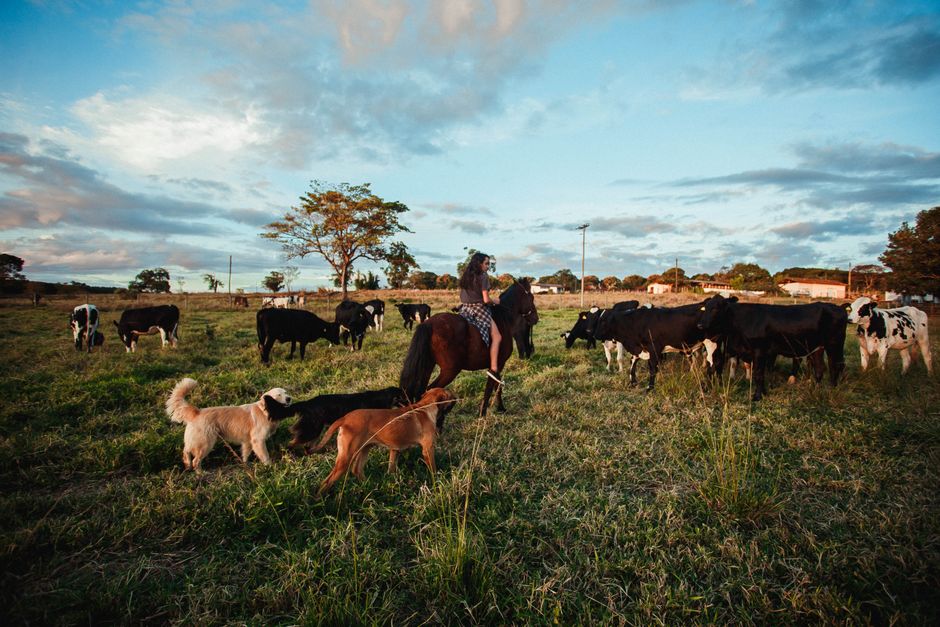
Imagine managing hundreds, even thousands, of animals spread across vast rangelands, often in remote locations. The sun beats down, dust swirls, and the sheer scale of the operation makes individual animal observation a monumental, if not impossible, task. Traditional methods of checking on your herd or flock involve countless hours of riding, driving, and manual inspection – a labor-intensive, often reactive approach that can miss early signs of illness or distress.
But what if you could have eyes and ears on every single animal, 24/7, without ever setting foot in the pasture? What if you could receive real-time alerts about a sick calf, a wandering ewe, or even a subtle change in a cow’s behavior indicating impending calving? This isn’t a futuristic dream; it’s the reality being shaped by multimodal animal health monitoring in extensive livestock production systems. This revolutionary approach is fundamentally changing how livestock producers manage their animals, moving from reactive responses to proactive, data-driven decisions that enhance welfare, improve productivity, and significantly reduce operational stress.
This guide will dive deep into the world of multimodal monitoring, explaining what it is, why it’s so vital for extensive farming, the technologies involved, its myriad applications, and the benefits and challenges you need to consider. Get ready to explore how cutting-edge livestock technology is heralding a new era of precision livestock farming.
What is Multimodal Animal Health Monitoring?
At its core, “multimodal” simply means combining multiple types of data. In the context of animal health, it refers to the integration of various sensor technologies and data streams to create a comprehensive picture of an animal’s well-being. Instead of relying on a single data point, such as temperature, multimodal systems collect information from different “modes” – behavioral, physiological, and environmental – and then analyze them together.
Think of it like a doctor using multiple diagnostic tools: a thermometer, a stethoscope, blood tests, and an MRI. Each provides a piece of the puzzle, but together, they offer a complete diagnosis. Similarly, remote animal health monitoring systems for livestock gather diverse data points, such as an animal’s location, activity levels, body temperature, rumination patterns, and even environmental conditions, to build a holistic health profile. This integrated approach allows for much more accurate and earlier detection of issues than any single sensor could provide.
Why Extensive Livestock Production Systems Need This Technology
Extensive livestock production, characterized by large land areas, minimal confinement, and often low stocking densities, presents unique challenges for animal health management. You’re dealing with vast distances, often rugged terrain, and limited human presence. This environment makes traditional monitoring incredibly difficult.
Here’s why multimodal monitoring is particularly crucial for operations like yours:
- Vast Areas, Few Eyes: Covering hundreds or thousands of acres to check on animals is time-consuming and expensive. Multimodal systems extend your reach dramatically.
- Early Disease Detection: In extensive systems, a disease can spread rapidly before it’s visually noticed. Catching health issues at their earliest stages means quicker intervention, reduced medication use, and less spread throughout the herd.
- Reduced Stress on Animals and Humans: Less physical intervention means less stress for your livestock. For you and your team, it means fewer hours spent searching for animals and more time for strategic management.
- Environmental Factors: Extensive systems often expose animals to extreme weather. Monitoring body temperature and activity in relation to environmental data helps prevent heat stress or hypothermia.
- Optimized Resource Allocation: Knowing which animals need attention allows you to deploy resources (veterinary care, supplementary feed, relocation) exactly where and when they are needed. This is the essence of extensive farming management evolving with modern tools.
The “Modes” of Data: What Multimodal Systems Monitor
The power of multimodal monitoring lies in the diversity of data it collects. Here’s a breakdown of the key types of information these advanced livestock technology systems gather:
Behavioral Data
Behavioral changes are often the first indicators of an animal’s health status. Multimodal systems are excellent at tracking and analyzing these subtle shifts.
- Location and Movement (GPS Tracking): GPS-enabled ear tags or collars track an animal’s exact position. This helps you:
- Locate animals quickly.
- Detect if an animal has separated from the herd or wandered into restricted areas.
- Identify changes in grazing patterns, which can indicate illness or forage availability issues.
- Activity Levels (Accelerometers): These sensors, similar to those in your smartphone, measure an animal’s movement, including:
- Rumination: A critical indicator of digestive health. A drop in rumination time often signals illness.
- Resting/Lying Time: Too much or too little can indicate problems.
- Walking Patterns: Changes in gait or reduced activity can signal lameness or disease.
- Social Interaction: Analyzing proximity to other animals can reveal isolation behaviors.
- Feeding and Drinking Behavior: Sensors can monitor time spent grazing, visiting watering points, and even how quickly an animal consumes feed. Deviations can point to nutritional deficiencies or disease.
- Calving/Lambing Behavior: Specific activity patterns can predict impending births, allowing for timely intervention if needed.
Physiological Data
Beyond outward behavior, physiological data provides deeper insights into an animal’s internal state.
- Body Temperature: Sensors embedded in ear tags, boluses (ingested devices), or collars can provide continuous temperature readings. An elevated temperature is a classic sign of infection or stress.
- Heart Rate and Respiration Rate: While more challenging to monitor continuously in extensive systems, some advanced prototypes are exploring ways to capture these vital signs, offering direct indicators of stress or disease.
- Biometric Data: Walk-over scales can automatically record an animal’s weight, allowing you to monitor growth rates and detect sudden weight loss, a key indicator of poor health or nutrition.
Environmental Data
The environment plays a significant role in animal health, especially in extensive systems.
- Local Weather Stations: Integrating data from on-site weather sensors (temperature, humidity, wind speed, precipitation) helps you understand environmental stressors.
- Heat Stress Index: Combining temperature and humidity data allows the system to calculate the risk of heat stress for your animals, triggering alerts for intervention.
- Forage Conditions: While not directly animal-borne, combining satellite imagery or drone data with animal location can provide insights into forage availability and quality, influencing grazing patterns and nutritional intake.
How Multimodal Monitoring Systems Work: The Tech Behind the Transformation
The seamless operation of multimodal monitoring relies on a sophisticated chain of technologies. It’s more than just individual sensors; it’s about how they communicate, process data, and deliver actionable insights.
1. Data Collection: The Sensors
The journey begins with the sensors attached to or near the animals. These are typically robust, weather-resistant devices designed for the rigors of farm life.
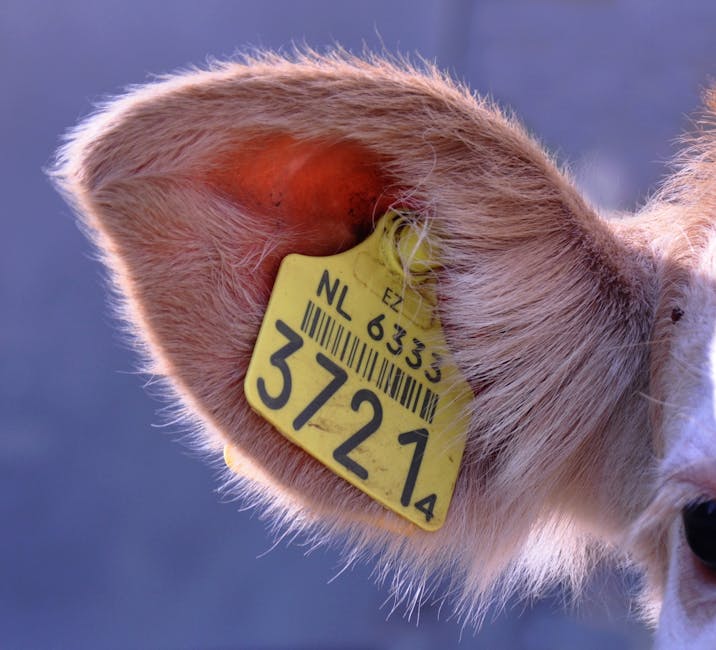
- Wearable Sensors: Ear tags, collars, leg bands, and even rumen boluses (ingested capsules) house accelerometers, GPS modules, temperature sensors, and more.
- Fixed Sensors: Gate readers, walk-over scales, remote cameras, and local weather stations collect data from the environment or as animals pass specific points.
2. Data Transmission: Connectivity in Remote Areas
Getting data from the animals in remote pastures to a central processing unit is a major hurdle. Various technologies are employed:
- LoRaWAN (Long Range Wide Area Network): Ideal for extensive areas with low power requirements. Gateways can collect data from sensors miles away.
- Satellite Communication: For truly isolated areas where cellular or LoRaWAN isn’t feasible, satellite can be a lifeline, though often with higher costs and lower bandwidth.
- Cellular (LTE-M, NB-IoT): Low-power cellular technologies are emerging that can cover vast areas where standard cellular might not reach, offering a balance of range and data speed.
- Short-Range Radio: For localized data collection, sometimes used to beam data to a central gateway.
3. Data Processing and Analysis: The Brains of the Operation
Once collected, raw data isn’t immediately useful. This is where advanced analytics come into play.
- Cloud Platforms: Data is usually sent to secure cloud-based platforms for storage and processing.
- AI and Machine Learning (ML): This is the game-changer for multimodal animal health monitoring in extensive livestock production systems. AI and ML algorithms are trained on vast datasets of animal behavior and health indicators. They can:
- Identify Patterns: Detect subtle deviations from normal behavior or physiological parameters that human observers would miss. For example, an animal might show a slight drop in rumination, a minor increase in temperature, and a change in its typical grazing area – individually insignificant, but collectively indicative of early illness. This is where AI and machine learning for animal health in rangelands truly shines.
- Predict Disease: By recognizing precursors to illness, AI can predict the likelihood of a problem before clinical signs are obvious.
- Generate Alerts: Automatically flag specific animals for attention based on predefined thresholds or detected anomalies.
- Optimize Management: Suggest interventions, identify areas for improved grazing, or even predict ideal times for breeding.
4. User Interface: Actionable Insights for You
The processed information is then presented to you via a user-friendly dashboard on your computer or mobile device. This includes:
- Real-time Maps: Showing animal locations, herd distribution, and potential boundary breaches.
- Individual Animal Profiles: Detailed health reports, activity logs, and historical data for each animal.
- Alerts and Notifications: SMS, email, or in-app notifications for critical events (e.g., “Cow #123 has low rumination,” “Ewe #456 has separated from the flock”).
- Trend Analysis: Visualizations of herd health trends, productivity metrics, and environmental conditions over time.
Applications of Multimodal Sensors for Livestock Health
The practical applications of multimodal sensors for livestock health are vast and continuously expanding, bringing significant improvements across various aspects of extensive livestock management.
1. Early Disease Detection and Prevention
This is perhaps the most impactful application. Instead of waiting for visible symptoms, which often means the disease is advanced, multimodal systems can:
- Identify Subclinical Illnesses: Detect subtle changes in activity, rumination, or temperature that precede obvious signs of lameness, respiratory infections, or digestive upset.
- Isolate Sick Animals: Quickly identify and locate affected animals, allowing for prompt treatment and preventing the spread of disease through the herd. This significantly reduces losses and the need for blanket antibiotic treatments.
2. Enhanced Reproductive Management
Optimizing reproduction is key to profitability in livestock. Multimodal systems offer:
- Accurate Heat Detection: Sensors can identify the specific activity patterns associated with estrus, ensuring optimal timing for breeding or artificial insemination. This improves conception rates and shortens calving/lambing intervals.
- Calving/Lambing Alerts: Pre-calving behaviors (e.g., restlessness, specific lying patterns) can trigger alerts, allowing you to be present for difficult births and reduce calf/lamb mortality.
- Post-Partum Monitoring: Monitor the health and recovery of mothers after birth, detecting issues like mastitis or metritis early.
3. Nutritional Monitoring and Forage Management
Understanding how animals interact with their environment and feed resources is vital.
- Grazing Behavior Analysis: Track grazing duration, intensity, and location to assess forage utilization and identify areas of over or under-grazing.
- Weight Monitoring: Automated walk-over scales provide continuous data on animal weight, allowing you to identify animals that aren’t gaining appropriately or are losing weight unexpectedly, signaling health or nutritional issues.
- Water Point Usage: Monitor visits to water sources to ensure adequate hydration and identify potential issues with water access.
4. Improved Animal Welfare and Stress Reduction
A healthier, less stressed animal is a more productive animal.
- Stress Detection: Unusual activity patterns, elevated heart rates, or altered rumination can indicate stress from predators, environmental factors, or social disruptions.
- Comfort Monitoring: Tracking resting times and patterns can help assess the comfort levels of animals, especially in different weather conditions.
- Reduced Handling: Less need for constant human intervention reduces stress on the animals.
5. Enhanced Security and Loss Prevention
In extensive systems, theft and wandering animals are real concerns.
- Geo-Fencing: Create virtual boundaries. If an animal leaves a designated area, you receive an immediate alert.
- Predator Detection: While not direct, sudden, widespread changes in herd activity or flight responses can signal the presence of predators.
- Theft Prevention: Unauthorized movement of animals out of a defined zone can trigger security alerts.
The Benefits of Smart Monitoring in Extensive Cattle Farming and Beyond
The move to smart, multimodal monitoring offers a transformative return on investment for operations like extensive cattle farming, sheep on pasture, and other extensive livestock ventures. The benefits of smart monitoring in extensive cattle farming are numerous and directly impact your bottom line and daily operations.
- Increased Productivity: Healthier animals mean better growth rates, higher conception rates, and reduced mortality.
- Reduced Labor Costs: Fewer hours spent on manual checks, locating animals, and chasing down issues across vast areas. Your team can focus on higher-value tasks.
- Optimized Veterinary Interventions: Targeted treatment for specific animals reduces overall medication costs and ensures antibiotics are used responsibly.
- Improved Animal Welfare: Proactive care leads to happier, healthier animals, which often translates to better public perception and market value.
- Sustainable Management: Better resource utilization, reduced waste, and more efficient land management contribute to a more sustainable operation.
- Data-Driven Decision Making: Move away from guesswork to precise, evidence-based decisions for breeding, culling, feeding, and health management.
- Enhanced Resilience: Greater ability to respond quickly to environmental changes, disease outbreaks, or other unforeseen challenges.
Challenges of Remote Health Tech for Sheep on Pasture and Other Extensive Systems
While the promise is immense, implementing remote health tech for sheep on pasture or cattle in vast rangelands also comes with its share of challenges. Understanding these will help you plan for successful adoption.
- Connectivity Issues: The most significant hurdle in remote areas is often the lack of reliable cellular or internet service. Investing in LoRaWAN gateways or satellite solutions may be necessary, adding to infrastructure costs.
- Power Management: Sensors need power. While many are designed for low consumption with long battery lives, recharging or replacing batteries in thousands of animals can be a logistical challenge. Solar-powered tags are helping, but durability is key.
- Sensor Durability and Maintenance: Extensive environments are harsh. Sensors must withstand impacts, extreme weather, dust, and animal behaviors (e.g., rubbing, fighting). Maintenance and repair costs need to be factored in.
- Initial Investment Costs: The upfront cost for sensors, gateways, software subscriptions, and potentially new infrastructure can be substantial. This ties directly into the cost-effectiveness of multimodal monitoring systems for large herds.
- Data Overload and Interpretation: While AI helps, the sheer volume of data generated can be overwhelming. User-friendly interfaces and clear, actionable insights are crucial to prevent “alert fatigue.”
- Integration with Existing Systems: Merging new monitoring data with existing farm management software can sometimes be complex.
- Training and Adoption: Farmers and farmhands need training and buy-in to effectively use and trust these new technologies. Resistance to change can be a barrier.
- Ethical Considerations: Continuous monitoring raises questions about data privacy and the potential for “over-surveillance” of animals, though the primary goal is always welfare improvement.
Cost-Effectiveness of Multimodal Monitoring Systems for Large Herds
When considering the cost-effectiveness of multimodal monitoring systems for large herds, it’s crucial to look beyond the initial investment and consider the long-term return. While the upfront costs for sensors, gateways, and software licenses can seem significant, the benefits often quickly outweigh them.
- Reduced Losses: Fewer animal mortalities from disease, predators, or birthing complications directly translate to saved revenue.
- Improved Reproductive Performance: Higher calving/lambing rates and tighter breeding windows mean more offspring to sell or retain.
- Lower Veterinary Bills: Early detection allows for less severe and less expensive treatments, reducing the need for emergency calls and mass medication.
- Optimized Feed and Labor: More efficient use of feed resources and a reduction in manual labor hours contribute to significant operational savings.
- Better Meat Quality/Yield: Healthier, less stressed animals often produce higher quality products, commanding better prices.
- Preventing Outbreaks: Avoiding widespread disease outbreaks can save millions in potential losses and containment efforts.
For large herds, even small percentage improvements in these areas can result in substantial financial gains, making the investment in multimodal monitoring a strategic decision for future profitability and sustainability.
The Future is Proactive: Your Role in Precision Livestock Farming
The landscape of extensive livestock production is rapidly evolving. The integration of precision livestock farming principles, powered by multimodal animal health monitoring, is no longer a luxury but an increasingly essential tool for competitive, sustainable, and humane operations.
You have the opportunity to move beyond traditional reactive management. By embracing these innovative livestock technology solutions, you can gain an unparalleled understanding of your animals’ health, behavior, and environment. This knowledge empowers you to make proactive decisions, anticipate challenges before they become crises, and ultimately, foster a healthier, more productive, and more resilient herd or flock.
Multimodal animal health monitoring isn’t just about collecting data; it’s about transforming that data into wisdom, enabling you to manage your extensive farm with greater precision, confidence, and care than ever before. It’s an investment in the future of your operation and the well-being of your animals.
Frequently Asked Questions (FAQs)
Q1: Is multimodal monitoring only for very large operations?
While large operations see significant benefits due to scale, the technology is increasingly scalable and accessible for medium-sized extensive farms as well. The ROI might vary, but the principles of improved welfare and efficiency apply to many sizes of extensive livestock production systems.
Q2: How durable are these sensors in harsh extensive environments?
Sensor manufacturers are constantly improving durability. Modern sensors are designed to withstand extreme temperatures, moisture, dust, and physical impacts from animal interactions. However, maintenance and occasional replacement should always be factored into your operational plan.
Q3: What kind of internet or cellular coverage do I need for these systems?
It depends on the specific system. Some use standard cellular networks, others leverage low-power wide-area networks (LPWAN) like LoRaWAN, which can cover vast areas with minimal infrastructure. For truly remote locations, satellite communication might be necessary, though this can be more costly. Discuss your specific farm’s connectivity with potential providers.
Q4: How much training is involved for me and my staff to use these systems?
Most modern systems are designed with user-friendly interfaces (dashboards, mobile apps). While there’s an initial learning curve, providers typically offer training and ongoing support. The goal is to make complex data simple to understand and act upon, so you don’t need to be a tech expert.
Q5: Can multimodal monitoring help me reduce my environmental footprint?
Yes, absolutely. By enabling more precise management, you can optimize resource use (feed, water), reduce medication waste, minimize emissions through better herd health, and make more informed decisions about grazing patterns, all contributing to a more sustainable and environmentally responsible operation.