Animal Disease Traceability : Causes, Symptoms, Treatment & Prevention
Animal Disease Traceability: A Practical Guide for Veterinarians and Livestock Owners
Animal disease traceability used to feel like a distant regulatory concept. Today, it’s a frontline tool that protects your animals, your clients’ businesses, and the wider food system.
When a serious disease like foot-and-mouth disease, bovine tuberculosis, or highly pathogenic avian influenza is suspected, the clock starts ticking. The faster officials can pinpoint where an animal has been and which herds or flocks it has contacted, the faster they can contain the outbreak and reduce economic damage.
That is exactly what animal disease traceability is designed to do.
In this guide, you’ll learn what animal disease traceability really means in practice, how it works on the ground, why it matters to your operation, and what you can do now to stay compliant and prepared.
What Is Animal Disease Traceability?
Animal disease traceability is the ability to track the movement of individual animals or groups of animals throughout their lives.
In simple terms, it answers three questions quickly during a disease event:
- Which animals are affected or exposed?
- Where did they come from?
- Where have they been and what did they contact?
In the U.S., traceability is built from three basic building blocks:
- Premises identification – assigning a unique ID (often called a Premises Identification Number or PIN) to each location where livestock are kept, sold, or shown.
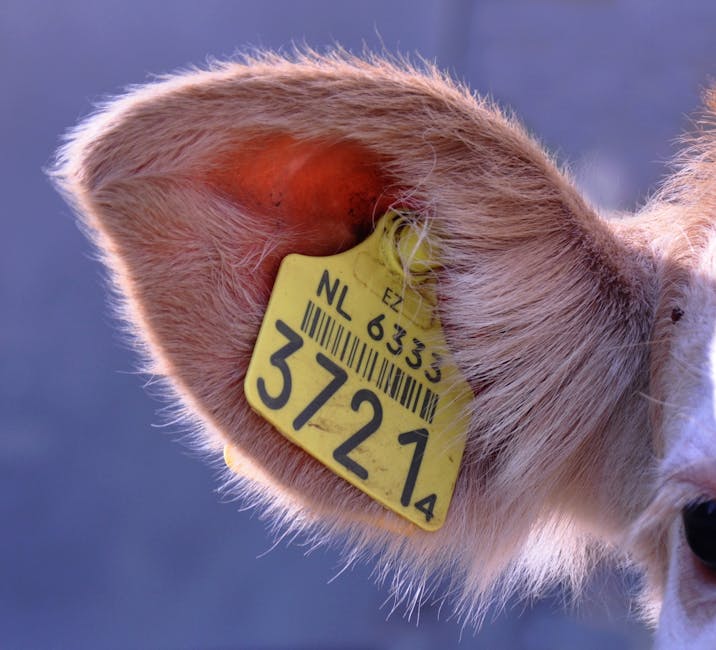
- Official animal identification – assigning an approved, unique ID to individual animals or groups (e.g., official ear tags, RFID tags, tattoos, or leg bands depending on species and program).
- Movement documentation – recording when animals move between premises or across state lines via Certificates of Veterinary Inspection (CVIs), brand inspection documents, or other approved records.
When these three pieces are in place, animal health authorities can quickly trace animals forward (where they went) and backward (where they came from) during a disease investigation.
Why Animal Disease Traceability Matters to You
You might think of traceability as a government requirement, but it’s also a powerful risk management tool for you and your clients.
1. Faster disease control and fewer animals affected
When traceability is good, officials can quickly narrow down which herds or flocks are truly at risk, instead of casting a wide net that disrupts entire regions.
A well-functioning system significantly reduces:
- The number of animals that need to be tested or quarantined
- The geographic area under movement restrictions
- The time it takes to contain an outbreak
In practical terms, this means fewer unnecessary tests, reduced culling, and less downtime for unaffected producers.
2. Protecting markets and trade
Confirmed disease outbreaks can shut down interstate and international markets quickly. Countries and states want confidence that animals and animal products are coming from herds with known health status and traceable movement histories.
Robust traceability:
- Builds buyer confidence in your animals or products
- Helps maintain access to export markets
- Reduces long-term economic losses after an outbreak
For larger operations, packers, and integrated supply chains, traceability is rapidly shifting from “nice to have” to a baseline requirement.
3. Compliance and avoiding penalties
In the U.S., the Animal Disease Traceability (ADT) framework sets minimum national requirements for certain species moved interstate, particularly cattle and bison, with specific rules that continue to evolve.
Non-compliance can result in:
- Animals being turned away at sale barns or state lines
- Delays in movement permits and CVIs
- Potential regulatory penalties or loss of program status
As a veterinarian or producer, staying ahead of traceability rules means fewer surprises and smoother interstate movement.
4. Reputation and consumer trust
In the age of social media and heightened consumer awareness, traceability supports your story about safe, responsible animal care. Knowing that animals are identifiable and traceable reassures:
- Buyers and packers
- Retailers and food companies
- Consumers looking for transparency
For branded programs, animal welfare certifications, and “farm-to-fork” marketing, traceability is becoming a core expectation.
How the Animal Disease Traceability System Works
Let’s break down the main components and what they look like in real life.
Premises Identification (PIN)
A Premises Identification Number (PIN) uniquely identifies a location where livestock or poultry are kept or handled. This can include:
- Farms and ranches
- Feedlots
- Livestock auctions and markets
- Exhibition grounds and fairs
- Assembly points, buying stations, and slaughter plants
When you register a premises, you typically provide:
- Physical address or GPS coordinates
- Contact information for the responsible party
- Type(s) of species present
States manage their own premises registration systems based on national standards. Many states now require a PIN for activities like:
- Selling at certain markets
- Participating in shows or fairs
- Obtaining certain licenses (e.g., feral hog permits)
Official Animal Identification
Official ID is the backbone of individual animal traceability. It links a specific animal to a premises and movement history.
Common official ID options (depending on species and program) include:
- Visual ear tags with a unique official number
- RFID/electronic ear tags (EID), which can be read electronically
- Backtags (e.g., for some slaughter cattle)
- Tattoos or brands (recognized within specific programs)
- Leg bands or wing bands for poultry or small ruminants under certain disease programs
In recent and upcoming regulations, there is a clear shift toward electronically readable tags for cattle and bison moving interstate, because they drastically reduce the time needed to locate and track animals in a large database. Electronic systems can cut trace times from days or weeks (with paper records) to under an hour.
Movement Documentation
Traceability is only as good as its movement records. The main tools you’ll see are:
- Certificates of Veterinary Inspection (CVIs) – issued by accredited veterinarians for interstate movements; record the premises of origin, destination, species, official ID numbers, and date of movement
- Brand inspection certificates – in brand states, these also function as traceability documents
- Sales barn/market records – often tied to official ID and premises information
- Program records – for specific diseases (e.g., brucellosis, tuberculosis, scrapie), breed registries, and performance recording systems that may help fill gaps in trace-back data
When a disease is suspected, investigators start with:
- The official ID (tag number, RFID, etc.)
- The associated CVIs, brand inspections, and market records
- The relevant premises IDs
From there, they can quickly build a movement map to see where else the animal has been and which other premises are at risk.
Key Benefits of Strong Traceability for Your Operation
Even if you’re not directly involved in regulatory discussions, solid traceability practices bring concrete advantages.
For veterinarians
- Faster investigations: You can help clients swiftly navigate disease inquiries, reducing disruption to business.
- Better client service: Providing CVIs, managing electronic IDs, and advising on compliance adds value to your service mix.
- Reduced paperwork headaches: Transitioning to digital systems can streamline CVI completion and record keeping.
For producers and livestock owners
- Easier animal marketing: Animals with proper official ID and clear records move more smoothly through markets and across state lines.
- Stronger disease protection: Quick trace-back helps limit how far and how deeply an outbreak affects you.
- Potential program advantages: Some branded or value-added programs may require or reward robust traceability.
A 70% or higher rate of animals in a species being identifiable and traceable to their premises of origin is often cited as a threshold for effective outbreak response. For you, every animal that’s correctly identified and recorded moves your herd closer to that protective “critical mass.”
Practical Steps to Improve Animal Disease Traceability
If you want to strengthen traceability in your practice or operation, focus on the basics done well and consistently.
1. Register and maintain your premises data
- Register all relevant locations where animals are housed, sold, or shown in your state’s premises system.
- Keep contact information and physical location details up to date whenever there is a change.
- If you have multiple sites (e.g., pastures, backgrounding lots), work with your state animal health office to ensure each is captured correctly.
This step ensures that when there’s an issue in your area, you receive timely notifications and your premises can be quickly identified in an investigation.
2. Standardize official ID in your system
- Decide which type of official ID you will use for each species (e.g., RFID tags for breeding cattle, visual tags for feeders where allowed).
- Develop a consistent tagging protocol, such as:
- Tagging at birth or at a defined age/weight
- Using different tag colors or series for sex, year, or herd of origin (while still using official numbers)
- Train staff and clients on:
- Correct placement of tags
- Recognizing official versus non-official tags
- Avoiding removal of official tags unless absolutely necessary and handled according to rules
Consider moving toward electronically readable tags where feasible, especially for animals that will move interstate or enter breeding and show circuits. They save significant time and reduce errors in reading long numbers by eye.
3. Tighten your record keeping
Whether you’re a veterinarian or producer, good records are central to traceability. Aim for:
- Centralized records: Use a herd management software, digital CVI system, or at minimum well-organized spreadsheets or notebooks.
- Consistent data fields, such as:
- Official ID number
- Premises of origin (PIN, address)
- Date of birth or acquisition
- Key health events (vaccination, testing, disease treatment)
- Movement events (sales, transfers, shows, breeding loans)
- Backups: Cloud-based systems or regular backups of electronic files; secure storage of paper records for the required period.
Digital CVI platforms that support electronic ID can dramatically speed up completion, reduce handwriting errors, and make later trace-backs more reliable.
4. Integrate traceability into daily workflows
Treat traceability as a routine part of animal handling, not a one-off task at sale time. For example:
- Tag calves or lambs at processing or weaning.
- Scan RFID tags during pregnancy checks, vaccinations, or preconditioning.
- Verify and record IDs as part of your standard intake and shipping procedures.
By capturing data during regular handling events, you avoid a scramble later when animals are leaving the farm or when a trace-back request appears.
5. Educate your team and clients
Make sure everyone involved understands:
- Which tags are official and must be retained
- Basic movement documentation requirements for interstate transport
- Why traceability matters for disease control and market access
As a veterinarian, you’re in a great position to translate regulations into practical guidance and help clients build systems that fit their scale and budget.
Common Challenges and How to Handle Them
Even with the best intentions, you may run into obstacles. Anticipating them will help you respond effectively.
Challenge 1: Complexity of multi-site, multi-owner systems
Large operations, custom grazers, or integrated value chains often mingle animals from many sources across multiple premises.
What to do:
- Use consistent PINs for each location and ensure all parties agree on the same identification scheme.
- Adopt electronic ID and scanning to avoid transcription errors when animals move through multiple hands.
- Clarify in writing who is responsible for tagging and recording at each stage (cow-calf producer vs. backgrounder vs. feedlot).
Challenge 2: Resistance to new ID technology
Some owners may be skeptical of RFID or electronic systems due to cost, data concerns, or workflow changes.
What to do:
- Emphasize practical benefits: faster handling, fewer errors, easier compliance, and potential market advantages.
- Start with high-value or high-risk classes (e.g., breeding animals, show cattle, animals most likely to travel).
- Demonstrate time savings during actual handling sessions.
Challenge 3: Paper record overload
Paper CVIs, sale barn tickets, and on-farm notebooks can quickly become unmanageable, especially during busy seasons.
What to do:
- Transition gradually to digital CVIs and e-records, using systems that integrate with RFID readers where possible.
- Set a weekly or monthly routine to enter or scan paper records into a central electronic system.
- Maintain secure digital backups to avoid loss of critical information.
FAQs About Animal Disease Traceability
1. Do I have to individually identify every animal on my farm?
Requirements vary by species, age, and whether animals cross state lines. In the U.S., the national ADT framework focuses on certain classes of cattle and bison and on interstate movement, while other disease programs apply to specific species and situations. Some states and programs may go further. Work with your state animal health office and your veterinarian to clarify which animals on your premises must have official ID and when.
2. Is electronic (RFID) identification mandatory?
National rules are moving toward electronically readable tags for some classes of cattle and bison moving interstate, with updated timelines and specifics set by USDA regulations. However, not all animals and not all movements are currently required to use RFID. That said, many veterinarians, markets, and large operations are adopting RFID voluntarily because it dramatically improves efficiency and accuracy in traceability. Check current guidance for your state and marketing channels.
3. What’s the difference between NAIS and today’s Animal Disease Traceability (ADT) program?
The earlier National Animal Identification System (NAIS) aimed for a comprehensive national system including premises registration, individual animal ID, and full animal tracking to enable 48-hour traceback for all livestock and poultry. It faced strong pushback and was discontinued in 2010. The current ADT approach is more flexible, focusing primarily on livestock moving in interstate commerce, with states and tribal nations able to design their own within-state systems.
4. How long do I need to keep my traceability records?
Record retention requirements can vary by program and state, but in general you should plan to keep movement and identification records for several years to support trace-backs that might reach back over an animal’s productive life. Your state animal health office, specific disease program rules, and accreditation guidance can provide minimum retention periods. When in doubt, err on the side of keeping digital copies longer.
5. How can my veterinary practice add value around traceability?
You can:
- Provide accurate, timely CVIs that fully capture official IDs and premises data.
- Help clients select and implement official ID systems, including RFID when appropriate.
- Offer on-farm tagging and scanning services, especially for large groups or before major shipments.
- Educate clients on state and federal requirements and how to integrate traceability into daily herd management.
- Use digital tools to make record keeping easier, then share summaries with clients to support marketing and risk management.
Bringing It All Together
Animal disease traceability is not just about satisfying a rule; it’s about protecting the animals in your care, sustaining your clients’ livelihoods, and keeping markets open when disease threats emerge.
By focusing on:
- Accurate premises identification
- Consistent official animal ID
- Reliable, preferably digital movement documentation
- Integrated workflows and education
…you can make traceability work for you, rather than against you.
Whether you are a veterinarian, producer, or part of a larger supply chain, now is the time to audit your current practices and close the gaps. The next disease event may arrive without warning, but with strong traceability in place, you’ll be ready to respond quickly, protect your operation, and keep business moving.