Biosecurity Measures on Livestock Farms: A Complete Guide for Farmers and Pet Owners

Biosecurity Measures on Livestock Farms: A Complete Guide for Farmers and Pet Owners
Introduction
Biosecurity Measures on Livestock Farms are now just as important as feed, shelter and water. In a world of fast animal movement, global trade and emerging diseases, every farmer needs a clear, practical plan to keep germs off the property and stop them spreading between animals. A strong biosecurity program lowers the risk of disease, protects farm income and safeguards the people and pets who live around livestock.
This long-form guide to Biosecurity Measures on Livestock Farms is written for farmers, students and pet owners who want simple, evidence-based steps, not vague theory. You will learn what biosecurity really means, key facts, step‑by‑step tips for Biosecurity Measures on Livestock Farms, common mistakes to avoid, and when to call a veterinarian. These practical measures apply to cattle, sheep, goats, pigs, poultry and horses, whether you run a commercial unit or keep a small backyard flock.
What is Biosecurity Measures on Livestock Farms?
Biosecurity on livestock farms is the set of everyday management practices that prevent disease‑causing organisms from entering, spreading within, or leaving your farm. In technical terms, it is a combination of management practices and protocols designed to prevent the transmission of diseases and disease‑causing agents by restricting the movement of potential carriers such as animals, people, equipment, insects and wildlife.
Most livestock experts describe biosecurity in three pillars: isolation, traffic control and sanitation. Isolation means separating groups of animals, especially new or sick ones, so that if one group is infected, it does not infect the rest. Traffic control refers to controlling how people, vehicles, equipment and animals move onto, around and off the farm. Sanitation covers cleaning and disinfection of buildings, equipment, boots, hands, water and anything else that might carry germs.
Biosecurity Measures on Livestock Farms also include establishing physical barriers such as farm perimeter fencing, locked or gated entrances, and lines of separation around barns to keep livestock areas protected. These barriers, combined with clear rules for staff and visitors, form the practical “how to Biosecurity Measures on Livestock Farms” at ground level.
Why Biosecurity Measures on Livestock Farms Matters for Farmers and Pet Owners
For farmers, poor biosecurity can mean sudden disease outbreaks, high death losses, fertility problems, slower growth, extra labor and large veterinary bills. Diseases such as foot‑and‑mouth disease, avian influenza, Johne’s disease and bovine viral diarrhea can spread rapidly between farms through animal movements, contaminated equipment or visitors. Strong Biosecurity Measures on Livestock Farms reduce these risks and protect productivity and profit.
Biosecurity is also a public health issue. Many livestock diseases, including some types of influenza, salmonellosis and certain parasites, can pass from animals to people (zoonotic diseases). Good biosecurity reduces exposure of farm workers, families and visitors to these pathogens by limiting direct contact with sick animals, improving hygiene and managing manure and carcass disposal correctly.
For pet owners living on or near farms, Biosecurity Measures on Livestock Farms help protect companion animals such as dogs, cats and horses. Secure fencing, controlled access and correct waste management reduce contact between pets and livestock manure, dead stock and wildlife, all of which can carry harmful organisms. This is especially important where pets share space with backyard poultry or small ruminants.
Key Facts About Biosecurity Measures on Livestock Farms
First, biosecurity is mostly about routine, not expensive technology. Guidelines from livestock health agencies stress simple steps: controlling farm entry, isolating new or sick animals, cleaning and disinfecting facilities and equipment, managing pests and wildlife, and training everyone who works with the animals. These “everyday” practices, done consistently, are more effective than occasional major clean‑ups.
Second, many disease agents are easily carried on boots, clothes, hands, and vehicle tires. Boots, in particular, are a primary vehicle for spreading pathogens between barns, pens and pastures; regular cleaning and disinfection of footwear greatly reduces risk. Vehicles entering farms, including feed trucks and service vehicles, can also bring pathogens and should follow defined entry protocols, including cleaning and disinfection when needed.
Third, new animal introductions are one of the highest‑risk events. Experts consistently recommend quarantining all new or returning animals away from the resident herd or flock, usually for at least 2–4 weeks, with no fence‑line contact. During quarantine, animals should be examined, tested when indicated and observed for signs of disease before joining the main group. This single measure can prevent many costly outbreaks.
Practical Guide to Biosecurity Measures on Livestock Farms
This section is a step‑by‑step, practical guide to Biosecurity Measures on Livestock Farms that you can adapt to your own situation.
1. Secure the Farm Perimeter and Entry Points
Start by defining and maintaining a clear farm boundary. Strong perimeter fences and gated entrances allow you to control who and what comes onto your land. Extension and animal health authorities recommend clearly identifying farm entrances and using gates to stop vehicles before they reach livestock areas. Routine inspection and repair of fences help keep out stray people, pets and wildlife.
Inside the perimeter, establish a Perimeter Buffer Area (PBA) that surrounds your barns and pens. Your biosecurity plan should state how workers and visitors enter and exit this area. Within each barn, define a Line of Separation (LOS) at the doors or pen gates, marking the point where people must change boots or clothing and follow entry rules before crossing into animal spaces.
Posting signs such as “Stop – Biosecurity Area”, “Visitors Must Sign In” and “Disinfect Boots Before Entry” reinforces these lines. Provide a designated parking area outside the main animal zone to keep visitor vehicles away from livestock, feed and manure.
2. Control Traffic: People, Vehicles and Equipment
Effective tips for Biosecurity Measures on Livestock Farms always include strict control of traffic. Keep a visitor log so you know who has been on your farm, when and why. Ask visitors about recent contact with other livestock or overseas travel, and restrict access for high‑risk visitors when necessary. Many guidelines recommend clean clothing and footwear for anyone entering animal areas, and in some facilities, shower‑in / shower‑out protocols.
Provide farm‑owned boots and coveralls for staff and regular visitors, and require that they be cleaned and disinfected between use in different barns or age groups. Where disposable boot covers are used, ensure they are put on and removed at the correct locations and disposed of in a way that does not contaminate animal areas. Hand‑washing stations or sanitizer dispensers should be placed at barn entries.
Limit sharing of equipment, vehicles and tools between farms. If sharing is unavoidable, clean and disinfect all shared items thoroughly before they enter your property. On your own farm, avoid using the same equipment for sick and healthy animals; if you must, clean and disinfect between uses. This includes tools used for manure handling, feeding and veterinary procedures.
3. Isolate and Quarantine Animals
A core part of any guide to Biosecurity Measures on Livestock Farms is animal segregation. All new animals, including those purchased, returning from shows, or moved between sites, should be placed in a designated quarantine area for at least 2–4 weeks. During this period, they should not share water, feed bunks or fence lines with resident animals.
Sick animals should be separated from healthy ones as soon as illness is suspected. Isolation pens or sick pens should be located so that airflow, manure runoff and traffic patterns do not carry infection toward healthy herds or flocks. Staff should always tend healthy animals first and sick animals last, and then clean and disinfect boots, clothing and equipment before re‑entering healthy areas.
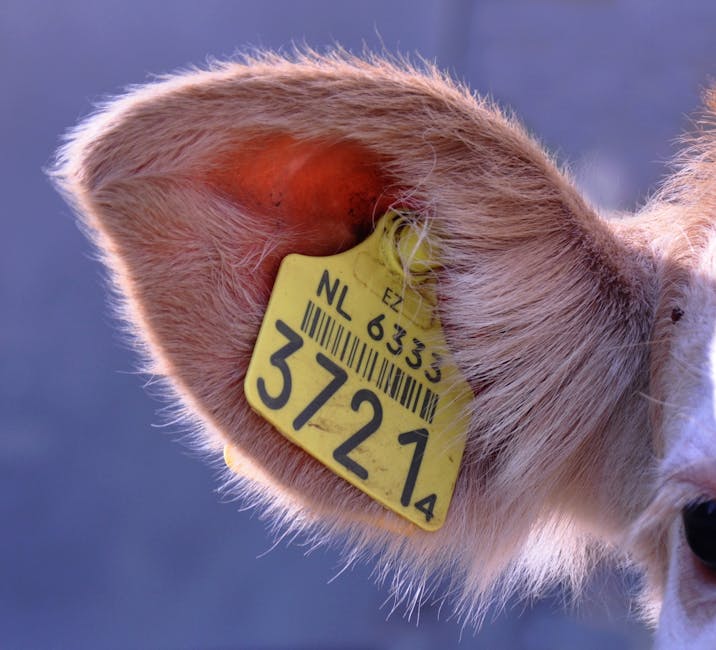
Keep accurate records of all animal movements onto and off the farm, including births, deaths, purchases, sales and movements between barns or pastures. Identify animals individually according to species standards (ear tags, microchips, leg bands, brands) so you can trace contacts in the event of a disease outbreak.
4. Sanitation: Cleaning and Disinfection
Sanitation is the backbone of Biosecurity Measures on Livestock Farms. Cleaning removes organic material such as manure, bedding and feed, while disinfection kills many of the remaining pathogens. Experts stress that scrubbing with soap and water is an essential first step, because disinfectants are often inactivated by organic material. Only after thorough cleaning should disinfectants be applied.
Develop a regular schedule for cleaning barns, pens, milking parlors, feeding equipment and water troughs. In wet climates or high‑density housing, more frequent cleaning is needed to reduce bacteria and parasite buildup. Use appropriate disinfectants such as bleach or commercial products following label directions for dilution, contact time and safety. Saturation of surfaces, tools and boots is necessary for full effect.
Boot hygiene is critical. All footwear used on the farm should be cleaned (remove visible dirt) and then disinfected, including soles and sides, before storage or before moving between barns or pastures. Providing boot dips or spray stations at entry points, and changing to barn‑specific boots at each Line of Separation, significantly decreases pathogen spread.
5. Manage Feed, Water, Manure and Carcasses
Safe feed and water are essential elements in how to Biosecurity Measures on Livestock Farms. Protect feed bins and feeding areas from wildlife, rodents and birds, which can contaminate feed with droppings and disease agents. Practices such as limit‑feeding or feeding multiple times per day can help animals clear feed bunks and reduce attraction of pests. Keep feed storage areas clean and dry.
Water quality matters. Some guidelines highlight the role of clean, well‑treated water in preventing disease and supporting animal health. Ensuring regular cleaning of waterers and, where appropriate, using suitable water treatment systems help limit bacterial and parasitic contamination.
Manure and carcass management are key biosecurity issues. Plans should specify how manure is stored, treated (for example by composting) and spread, and on which fields, to reduce pathogen survival and prevent runoff into animal or human water sources. Carcasses should be disposed of according to local regulations (rendering, composting, burial, incineration) in ways that do not attract wildlife, rodents or scavengers.
6. Control Pests and Wildlife
Wildlife and pests such as rodents, wild birds, insects and stray animals can introduce and spread diseases between farms. Recommendations include secure fencing and netting, rodent control programs, and measures to prevent wildlife access to feed, water and housing. Protect watering points and salt licks to reduce contact between wild and domestic animals.
Insect control is equally important, because flies, mosquitoes and ticks can carry many pathogens. Keeping bedding dry, cleaning pens regularly and managing manure piles help reduce insect breeding sites. Where needed, approved insecticides, traps or biological controls may be used as part of an integrated pest management plan.
7. Training, Documentation and Emergency Planning
An effective biosecurity plan must be written down and understood by all workers and family members. Experts advise developing a farm‑specific plan that sets out clear “if–then” rules (for example, “If a new cow is purchased, then it goes into quarantine pen A for 30 days,” or “All visitors must sign in and disinfect boots”). The plan should be reviewed regularly and updated as conditions change.
Training is critical. Hold regular meetings to review key rules, demonstrate correct cleaning and disinfection techniques and explain why each measure matters. Post simple rules in barns and at entrances. In addition, include emergency procedures for suspected serious diseases, including how to isolate affected animals, whom to call and what movement restrictions to apply.
Common Mistakes to Avoid
One common mistake is inconsistent application of rules. For example, a farm may have boot dips, but workers sometimes skip using them, or only clean and disinfect after obvious problems, not every day. Inconsistent use of quarantine areas or early mixing of new animals with the main herd undermines even well‑designed plans. Biosecurity only works when procedures are followed every time.
Another frequent error is underestimating the risk from “clean‑looking” visitors and vehicles. Service providers, neighbors or friends who have been on other farms, at markets or around livestock shows can carry pathogens on their clothes, boots or tires without realizing it. Allowing them unrestricted access to barns or pens without clean gear, sign‑in or disinfection creates a major entry route for disease.
A third mistake is neglecting pests, wildlife and environmental factors. Leaving feed exposed, failing to maintain fences, or ignoring rodent droppings allow constant low‑level disease pressure in sheds and stores. Similarly, focusing on disinfectants while ignoring the crucial first step of physical cleaning means surfaces remain coated with manure and organic matter that protect pathogens from chemicals.
Frequently Asked Questions About Biosecurity Measures on Livestock Farms
Q: What are the three main principles of Biosecurity Measures on Livestock Farms?
A: The three core principles are isolation, traffic control and sanitation. Isolation means separating new or sick animals from healthy ones. Traffic control limits and manages the movement of people, animals, vehicles and equipment onto, around and off the farm. Sanitation involves regular cleaning and disinfection of facilities, equipment, boots and hands to reduce pathogen loads.
Q: How long should I quarantine new animals before mixing them with my herd or flock?
A: Many livestock health authorities recommend quarantining new or returning animals for at least 2–4 weeks. During that time, they should be housed in a separate barn or pasture without fence‑line contact, monitored for signs of illness and, when appropriate, tested and examined by a veterinarian before introduction to the main group.
Q: Do small or backyard farms really need Biosecurity Measures on Livestock Farms?
A: Yes. Even small flocks or herds can become infected through purchased animals, visitors, shared equipment, or local wildlife. Diseases from backyard poultry or small ruminants can spread to neighbors or commercial farms and may carry zoonotic risks for people. Applying scaled‑down but consistent measures—such as quarantine, boot hygiene and pest control—offers important protection.
Q: Which surfaces and items on the farm should be cleaned and disinfected most often?
A: Priority items include animal housing (pens, stalls, floors), feeding and watering equipment, handling facilities, and high‑traffic areas such as barn entrances. Boots and tools used around animals should also be cleaned and disinfected frequently. Regular cleaning of these areas removes organic matter and reduces contamination, making disinfection more effective.
Q: How can I start a simple, low‑cost biosecurity plan on my farm?
A: Begin with basic, cost‑effective steps: define farm entrances and keep a visitor log; provide a boot‑cleaning and disinfection station; establish a small quarantine pen for new or sick animals; clean and disinfect shared equipment; secure feed from wildlife; and control rodents. Write these steps down as a simple guide to Biosecurity Measures on Livestock Farms and train everyone on the farm to follow them consistently.
When to Call a Veterinarian
Contact a veterinarian immediately if you notice sudden increases in illness or deaths, unusual symptoms (for example, blistering around the mouth and feet, sudden high mortality in poultry, severe diarrhea in multiple animals) or if several animals become sick at once without an obvious cause. Rapid professional assessment can limit spread and reduce losses.
You should also seek veterinary advice when designing or updating your farm’s Biosecurity Measures on Livestock Farms. Veterinarians can help identify key risks for your particular species, production system and region; recommend appropriate vaccinations and testing; and advise on quarantine length and diagnostic protocols for new arrivals. They are also essential partners in reporting and managing notifiable diseases.
In addition, call your veterinarian before introducing animals from high‑risk sources such as sale barns or mixed‑origin markets. Animals from these sources often have unknown health histories and higher disease risk, making tailored quarantine and testing strategies vital. Your vet can also help you interpret lab results, choose disinfectants and design emergency response steps for serious outbreaks.
Conclusion
Biosecurity Measures on Livestock Farms are not optional extras; they are central to animal health, farm profitability and public safety. By focusing on isolation, traffic control and sanitation, and by paying attention to details such as controlled entry points, quarantine of new animals, regular cleaning and disinfection, pest and wildlife control, and good record‑keeping, farmers can greatly reduce the risk of devastating disease events.
A practical, written plan, backed by regular staff training and close collaboration with a veterinarian, turns theory into daily action. Whether you manage a large commercial enterprise or a small mixed farm, following this guide to Biosecurity Measures on Livestock Farms will help protect your animals, your livelihood and your community now and into the future.