Coccidiosis in Poultry: Causes, Symptoms, Treatment and Prevention
Coccidiosis in Poultry: A Comprehensive Guide to Protecting Your Flock’s Health
You’ve invested time, effort, and care into your flock, nurturing them for health and productivity. Yet, lurking in the environment, an unseen threat can devastate your poultry operation: Coccidiosis. This pervasive parasitic infection is one of the most common and economically damaging poultry diseases worldwide, silently impacting the growth, egg production, and overall well-being of your birds.
Understanding coccidiosis isn’t just about identifying symptoms; it’s about mastering prevention and effective treatment strategies to safeguard your avian health. As a poultry owner, recognizing the signs early and implementing proactive measures are your strongest tools against this relentless adversary. Let’s delve deep into the world of coccidiosis in poultry, equipping you with the knowledge to protect your flock and ensure their success.
Understanding Coccidiosis: The Invisible Invader
Coccidiosis is a highly contagious disease of poultry and other animals, caused by a group of microscopic, single-celled parasites called Eimeria protozoa. These tiny organisms specifically target and damage the intestinal lining of your birds, impairing their ability to absorb nutrients. There are several species of Eimeria that affect chickens, each tending to infect a particular part of the intestine and causing varying degrees of damage.
Your flock can become infected when they ingest oocysts, the environmentally resistant stage of the Eimeria parasite. These oocysts are shed in the feces of infected birds and can survive for long periods in the litter, feed, water, and soil, creating a continuous cycle of infection within your flock. It’s a classic example of a parasitic infection that thrives in environments where poultry are kept in close quarters.
The life cycle of Eimeria is crucial to understand for effective control. Once ingested, oocysts release infective stages that invade the intestinal cells, rapidly multiplying and destroying these cells. This process damages the gut, leading to the clinical signs of the disease. Eventually, new oocysts are produced and shed in the droppings, contaminating the environment and perpetuating the cycle. This relentless cycle is why coccidiosis is such a persistent challenge in poultry management.
Why Your Poultry is Vulnerable
Your poultry are particularly susceptible to coccidiosis due to several factors inherent in modern poultry farming. The close confinement of birds, common in both small backyard setups and large commercial operations, creates an ideal environment for the rapid spread of oocysts. Once one bird is infected, the entire flock is quickly exposed.
Warm, moist litter conditions are a breeding ground for sporulation, the process by which Eimeria oocysts become infective. Poor ventilation, overcrowding, and inadequate litter management can exacerbate these conditions, significantly increasing the risk of an outbreak. Even subtle changes in routine or environment, which cause stress, can lower your birds’ immunity, making them more vulnerable to this common poultry disease.
Factors like poor nutrition, other concurrent diseases, or even transportation can act as stressors. These stressors weaken your birds’ natural defenses, allowing the parasitic infection to take hold more easily. Maintaining optimal avian health requires attention to all these details, not just focusing on one aspect.
Spotting the Signs: Recognizing Coccidiosis in Your Flock
Early detection of coccidiosis is paramount for minimizing its impact on your flock. However, the initial signs can be subtle, easily mistaken for other issues or simply overlooked. Being vigilant and knowing what to look for can make a significant difference in your ability to respond quickly.
Early, Subtle Indicators
At the onset of a coccidiosis infection, you might observe a slight but noticeable change in your birds’ behavior or appearance. These early indicators often precede the more severe clinical symptoms. Pay close attention if you notice:
- Reduced Activity Levels: Birds may appear lethargic, less active, and spend more time sitting or huddled together.
- Decreased Feed or Water Intake: You might see a slight drop in feed consumption, or your birds may seem less interested in drinking.
- Stunted or Uneven Growth: In young birds, a lack of uniform growth across the flock can be an early warning sign. Some birds may appear smaller or less developed than their peers.
- Mild Ruffled Feathers: While not always indicative, a slight dishevelment of feathers without other obvious causes could be a hint.
Clearer Clinical Symptoms
As the parasitic infection progresses, the symptoms become more pronounced and indicative of severe intestinal damage. These are the classic signs of coccidiosis in poultry that require immediate attention:
- Diarrhea: This is one of the most common and visible signs. Droppings may be watery, discolored, or contain mucus. In severe cases, you might observe blood in the feces, ranging from reddish streaks to dark, tarry stools, depending on the Eimeria species involved.
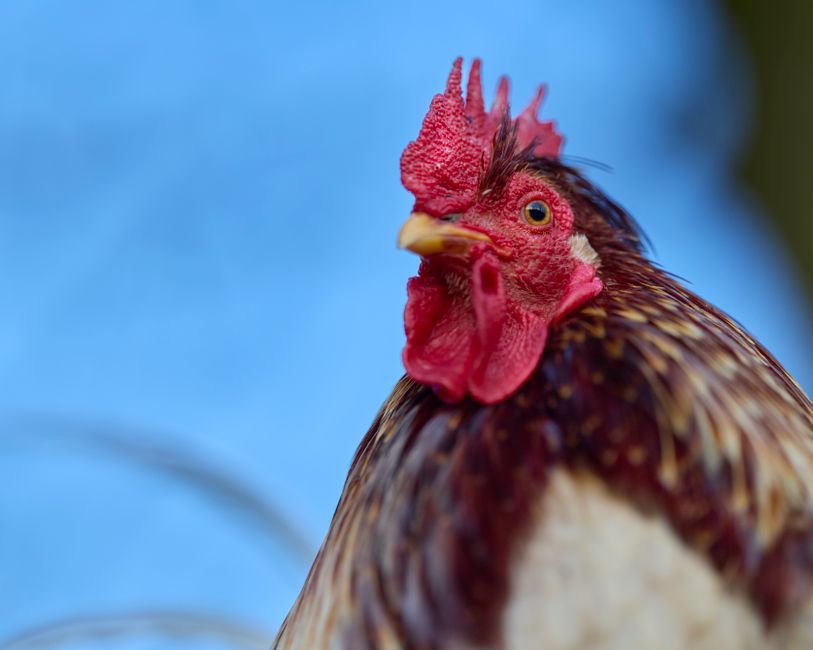
- Pale Combs and Wattles: Anemia, resulting from blood loss and nutrient malabsorption, can lead to pale coloration of the comb and wattles.
- Ruffled Feathers and Huddling: Severely affected birds often appear unthrifty, with dull, ruffled feathers, and may huddle together for warmth, even in comfortable temperatures.
- Weight Loss and Poor Growth: Despite consuming feed, infected birds fail to gain weight or even lose it, leading to a noticeable decline in body condition. Feed conversion ratios worsen significantly.
- Increased Mortality Rates: In severe outbreaks, particularly in young chicks, mortality can be high and rapid, leading to substantial losses for your operation.
- Depression and Dehydration: Birds may appear depressed, withdrawn, and show signs of dehydration, such as sunken eyes or dry skin.
Impact on Production
Beyond the health of individual birds, coccidiosis has a profound impact on overall poultry production and your bottom line. For layers, you’ll likely observe a significant decrease in egg production, fewer eggs laid, or eggs with poorer shell quality. In broiler operations, the primary impact is on growth rates and feed conversion efficiency. Birds take longer to reach market weight, requiring more feed, which directly translates to economic losses. The compromised intestinal health also makes birds more susceptible to secondary bacterial infections, further complicating recovery and increasing treatment costs.
Diagnosis: Confirming the Presence of Coccidiosis
While observing clinical signs is crucial, a definitive diagnosis of coccidiosis in poultry requires more than just visual inspection. Accurately identifying the disease ensures you implement the correct treatment plan, avoiding unnecessary medication and potential resistance issues.
Visual Inspection and Flock History
Your initial assessment should always involve a thorough visual inspection of your flock and a review of recent changes. Consider factors like:
- Age of the birds: Coccidiosis is most common in young, growing birds, typically between 3 and 8 weeks of age, but can affect birds of any age, especially those under stress or with compromised immunity.
- Onset and Progression of Symptoms: Note when symptoms started, how rapidly they progressed, and which birds are affected.
- Environmental Conditions: Review litter moisture, ventilation, and any recent stressors your flock may have experienced.
- Feed and Water Consumption Records: Any noticeable drops in these metrics should raise a red flag.
Laboratory Confirmation
For a precise diagnosis and to identify the specific Eimeria species involved, laboratory testing is essential. Your veterinarian can perform several diagnostic procedures:
- Fecal Examination: A microscopic examination of fresh fecal samples can reveal the presence and number of Eimeria oocysts. While the presence of oocysts indicates exposure, high counts in symptomatic birds confirm an active infection.
- Post-Mortem Examination (Necropsy): This is often the most definitive diagnostic tool. A veterinarian can examine the intestines of affected or recently deceased birds for characteristic lesions, such as thickening, inflammation, hemorrhage, or white spots. The location and type of lesions can help identify the specific Eimeria species causing the problem.
- Histopathology: Tissue samples from the intestines can be examined microscopically to confirm damage to the intestinal cells and the presence of developmental stages of the parasite.
Always consult with an avian veterinarian or poultry health expert when you suspect coccidiosis. They can provide an accurate diagnosis, recommend the most appropriate treatment, and help you develop a robust prevention program tailored to your specific situation.
Proactive Strategies: Preventing Coccidiosis in Your Poultry
Prevention is undeniably the most effective and economical approach to managing coccidiosis in poultry. Implementing a multi-faceted prevention program will significantly reduce the risk of outbreaks and maintain optimal avian health.
Biosecurity: Your First Line of Defense
Strict biosecurity measures are fundamental to preventing the introduction and spread of this parasitic infection. Think of biosecurity as a series of barriers protecting your flock:
- Control Access: Limit visitors to your poultry area and ensure anyone entering wears clean clothing and disinfected footwear. Consider dedicated footwear for your poultry house.
- Quarantine New Birds: Always isolate new birds for at least 3-4 weeks before introducing them to your main flock. Observe them for any signs of disease and ensure they are healthy.
- Prevent Wild Bird and Rodent Access: Wild birds, rodents, and insects can carry Eimeria oocysts and other poultry diseases. Use netting, secure coops, and effective pest control programs.
- Cleanliness and Disinfection: Regularly clean and disinfect feeders, waterers, and equipment. Remove any organic matter before applying disinfectants, as they can be rendered ineffective by dirt.
Litter Management: Creating an Unfriendly Environment
Eimeria oocysts thrive in warm, moist conditions. Effective litter management is therefore critical to breaking the coccidiosis life cycle:
- Keep Litter Dry and Friable: Ensure good ventilation within your coop to help dry the litter. Avoid water spills from drinkers.
- Regular Turning and Removal of Wet Spots: Frequently turn the litter to expose it to air, and promptly remove any wet or caked areas, especially around waterers.
- Adequate Litter Depth: Maintain sufficient litter depth (e.g., 4-6 inches) to absorb moisture and allow for proper composting.
- Proper Ventilation: Good airflow removes moisture from the air and litter, which is essential for preventing sporulation of oocysts.
Vaccination: Building Internal Immunity
Vaccination is a highly effective long-term strategy to protect your flock from coccidiosis, particularly in operations practicing antibiotic-free rearing or for flocks kept for extended periods.
- Live Attenuated Vaccines: Most coccidiosis vaccines contain live, attenuated (weakened) oocysts of various Eimeria species. When administered to young chicks, these oocysts cause a mild, subclinical infection that stimulates the bird’s immune system without causing disease.
- Developing Immunity: This controlled exposure allows birds to develop natural immunity, providing lasting protection against future challenges from field strains of the parasite.
- When to Vaccinate: Coccidiosis vaccines are typically administered to chicks at a very young age (e.g., day-old) via spray, gel, or in the drinking water. Follow your veterinarian’s recommendations for the best timing and application method.
Feed Management: Nutritional Support and Medicated Feeds
Your birds’ diet plays a significant role in their ability to withstand and recover from parasitic infections.
- Balanced Nutrition: Provide a high-quality, balanced diet that supports a strong immune system. Adequate protein, vitamins (especially A and K), and minerals are crucial for avian health.
- Coccidiostats in Feed: For operations not using vaccination, coccidiostats can be incorporated into feed as a preventative measure. These are drugs that inhibit the development of Eimeria parasites.
- Rotation Programs: To prevent the development of drug resistance, it is critical to rotate different classes of coccidiostats on a planned schedule. Do not use the same coccidiostat continuously.
- Withdrawal Periods: Be aware of and strictly adhere to withdrawal periods for medicated feeds, especially for birds intended for meat or egg consumption, to ensure food safety.
All-in, All-out Systems
For commercial growers and even backyard enthusiasts, an all-in, all-out system is a powerful tool against coccidiosis and other poultry diseases.
- Empty and Clean: After an entire flock is removed, the house is completely emptied of all birds.
- Thorough Cleaning and Disinfection: The coop, feeders, waterers, and all equipment are then meticulously cleaned, washed, and disinfected. This includes removing all litter and scrubbing surfaces.
- Downtime: The house is left empty for a period (often 2-4 weeks) to ensure any remaining oocysts or pathogens die off.
- Break the Cycle: This method effectively breaks the cycle of parasitic infections by eliminating environmental contamination before a new flock arrives.
Taking Action: Treating Coccidiosis in an Infected Flock
Despite the best preventative measures, coccidiosis outbreaks can still occur. When an infection takes hold, prompt and appropriate treatment is vital to minimize losses and restore your flock’s health.
Anticoccidial Medications
The primary treatment for an active coccidiosis infection involves the use of anticoccidial medications. These drugs work by targeting and inhibiting the various life stages of the Eimeria parasite within the bird’s intestine.
- Common Medications: Several effective anticoccidial drugs are available, including amprolium, sulfa drugs (e.g., sulfadimethoxine, sulfaquinoxaline), and toltrazuril. The choice of medication often depends on the specific Eimeria species, severity of the outbreak, and local veterinary recommendations.
- Veterinary Guidance is Crucial: Always consult with your avian veterinarian for an accurate diagnosis and prescription. They can advise on the most suitable drug, correct dosage, and duration of treatment. Improper use can lead to drug resistance or ineffective treatment.
- Administration: Medications are typically administered via drinking water, which ensures all birds receive treatment, especially those that are sick and have reduced feed intake.
- Withdrawal Periods: Be extremely mindful of withdrawal periods for any medicated product, especially if your birds are intended for meat or egg consumption. This is a critical food safety requirement.
Supportive Care
Beyond specific medication, supportive care plays a significant role in helping your birds recover from the damage caused by coccidiosis.
- Electrolytes and Vitamins: Adding electrolytes and multi-vitamins (especially A and K) to the drinking water can help rehydrate sick birds, replace lost nutrients, and support healing of the damaged intestinal lining. Vitamin K is particularly important for blood clotting if there has been intestinal bleeding.
- Easy-to-Digest Feed: Offer a palatable, easy-to-digest feed to encourage consumption, as appetite may be reduced.
- Warm, Dry Environment: Ensure your birds have a warm, dry, and draft-free environment to reduce stress and aid recovery. Provide fresh water and feed consistently.
Environmental Cleanup
Treating the birds is only half the battle. You must also address the environmental contamination to prevent re-infection.
- Remove and Replace Soiled Litter: Immediately remove any heavily soiled or wet litter and replace it with fresh, dry material. This helps reduce the concentration of infective oocysts in the environment.
- Disinfect Feeders and Waterers: Thoroughly clean and disinfect all feeders and waterers daily to eliminate oocysts that may have accumulated.
- Increase Ventilation: Improve ventilation to keep litter dry and reduce humidity, making the environment less hospitable for oocyst sporulation.
Long-Term Management and Resilience Building
Managing coccidiosis isn’t a one-time fix; it’s an ongoing commitment to the health of your flock. Developing a long-term strategy is essential for sustained success and building resilience against this persistent parasitic infection.
Monitoring and Evaluation
Regular monitoring is key to staying ahead of potential issues.
- Performance Tracking: Continuously monitor your flock’s performance metrics, such as feed intake, water consumption, growth rates, egg production, and mortality. Any deviation from the norm can signal a problem.
- Litter Quality Checks: Regularly assess litter moisture and condition. Address any wet spots or caking promptly.
- Fecal Checks: Periodic fecal examinations, even in healthy-appearing birds, can help detect low-level Eimeria challenges before they escalate into clinical disease. Your vet can assist with this.
- Post-Mortem Examinations: If you experience unexplained deaths, conducting post-mortem examinations on a few birds can provide valuable insights into ongoing health challenges, including subclinical coccidiosis.
Integrated Pest Management Approach
The most effective long-term strategy for coccidiosis in poultry is an integrated approach that combines several control methods. Relying solely on one method, such as a single coccidiostat, increases the risk of resistance and treatment failure.
- Combine Strategies: Integrate vaccination programs with robust biosecurity measures, excellent litter management, and strategic use of anticoccidials (if necessary and rotated).
- Minimizing Reliance on Drugs: The goal is often to minimize the long-term reliance on medications by strengthening immunity through vaccination and environmental control.
- Consider Nutritional Additives: Some feed additives, such as prebiotics, probiotics, and essential oils, can support gut health and enhance the bird’s natural resistance to parasitic infections.
Understanding Resistance
Drug resistance is a significant concern in coccidiosis management. Eimeria parasites can quickly develop resistance to anticoccidial drugs if they are used improperly or continuously without rotation.
- Rotation is Crucial: If you use coccidiostats, work with your veterinarian to implement a strict rotation program, switching between different chemical classes of drugs regularly (e.g., every 3-4 flocks) to prevent resistance buildup.
- Accurate Diagnosis: Never treat for coccidiosis without a confirmed diagnosis. Misuse of drugs can accelerate resistance development and may not even address the actual problem.
- Vaccination as a Tool Against Resistance: Coccidiosis vaccines do not contribute to drug resistance and can be a valuable tool in reducing the overall need for anticoccial drugs, thereby preserving their efficacy.
Related Articles
- avian influenza in poultry causes symptoms treatment and prevention
- johne s disease in cattle causes symptoms treatment and prevention
- mycoplasma infection in poultry a complete guide for farmers and pet owners
Conclusion: Protecting Your Flock, Ensuring Your Success
Coccidiosis in poultry remains a formidable challenge, capable of undermining even the most dedicated poultry keeper’s efforts. Yet, with vigilance, knowledge, and a commitment to proactive management, you can effectively protect your flock from the devastating impacts of this parasitic infection. By understanding the Eimeria life cycle, recognizing the signs of disease, implementing rigorous biosecurity, excelling in litter management, and strategically using vaccination or medication, you empower yourself to maintain superior avian health.
Remember, a healthy flock is a productive flock. Investing in prevention pays dividends in the long run, saving you from significant economic losses and the emotional toll of dealing with sick birds. Be proactive, be observant, and don’t hesitate to consult with your veterinarian. Your dedication to understanding and combating coccidiosis is the cornerstone of your poultry operation’s success.
Frequently Asked Questions (FAQs)
1. Can humans get coccidiosis from poultry?
No, the Eimeria species that cause coccidiosis in poultry are host-specific and cannot infect humans. Coccidiosis in humans is caused by different species of parasites, primarily Isospora belli or Cryptosporidium parvum.
2. What is the difference between coccidiosis and necrotic enteritis?
While both are poultry diseases affecting the intestines and often present with similar symptoms, they have different causes. Coccidiosis is a parasitic infection caused by Eimeria protozoa. Necrotic enteritis is a bacterial infection caused by Clostridium perfringens, which often proliferates in intestines already damaged by coccidiosis or other stress factors. They can, and often do, occur together.
3. How long does it take for chickens to recover from coccidiosis?
With prompt and appropriate treatment, chickens can start to show signs of improvement within 24-48 hours. Full recovery of the intestinal lining and restoration of growth or egg production may take several days to a few weeks, depending on the severity of the initial infection and the extent of intestinal damage. Supportive care is critical during this period.
4. Are there organic or natural remedies for coccidiosis?
While some natural products like essential oils, herbal extracts, or specific plant compounds have shown anticoccidial properties in studies, they are not typically as potent or consistently effective as conventional anticoccidial medications for treating active outbreaks. Some can be used as feed additives to support gut health and potentially reduce the incidence of subclinical coccidiosis, but they should not replace proven prevention or treatment strategies, especially during an active infection. Always consult your veterinarian before relying on alternative remedies.
5. How often should I deep clean my coop to prevent parasitic infections like coccidiosis?
For commercial operations using an “all-in, all-out” system, a complete deep clean and disinfection is performed between every flock. For backyard flocks, a deep clean should ideally be done at least once or twice a year, or more frequently if you experience disease outbreaks or introduce new birds. Daily spot cleaning and regular removal of wet litter are crucial ongoing practices to prevent the buildup of oocysts.
6. Can vaccinated chickens still show signs of coccidiosis?
Yes, it is possible. Coccidiosis vaccines provide immunity, but they don’t always prevent all infection, especially under very high challenge loads or if the bird’s immune system is compromised by other factors (stress, other diseases). Vaccinated birds might experience a very mild, transient infection that helps boost their immunity further, but they should not develop severe clinical disease. If vaccinated birds show significant symptoms, it warrants investigation, as it could indicate a very high parasite load, a new Eimeria strain, or underlying health issues.