Why Your Cat’s Sensitive Stomach Might Be a Microbiome Issue: Causes, Symptoms, Treatment and Prevention
Introduction
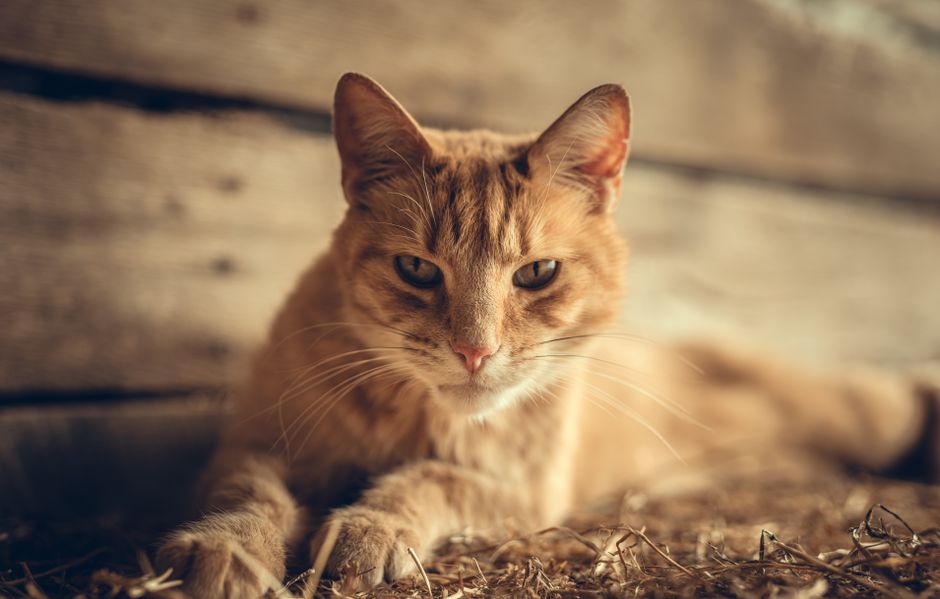
If you are a cat owner, you know the frustration of dealing with a pet that constantly experiences digestive upsets. Maybe your cat frequently vomits, deals with loose stools, or seems generally uncomfortable after meals. While many owners immediately assume it’s a food allergy or a picky appetite, the root cause is often hiding much deeper—inside your cat’s gut.
Understanding why your cat’s sensitive stomach might be a microbiome issue is the first step toward helping your feline friend feel their best. Feline digestive health is a complex ecosystem, and when that balance is disrupted, your cat pays the price. In this guide, we will explore how the microscopic community of bacteria in your cat’s belly dictates their overall well-being and what you can do to restore harmony.
What is Why Your Cat’s Sensitive Stomach Might Be a Microbiome Issue?
To understand this issue, we must first define the cat gut microbiome. Think of the gut microbiome as a bustling city living inside your cat’s digestive tract. It consists of trillions of bacteria, viruses, fungi, and other microbes. When this city is healthy, these “good” bacteria help digest food, absorb nutrients, and block out “bad” bacteria that cause illness.
When we talk about a microbiome issue, we are referring to a state called dysbiosis. This is an imbalance where the population of good bacteria drops, and the population of harmful bacteria grows out of control. This imbalance makes it difficult for your cat to process food properly, leading to feline gastrointestinal issues. Essentially, your cat’s sensitive stomach isn’t necessarily a permanent character flaw; it’s a sign that their internal ecosystem is out of sync.
Causes of Why Your Cat’s Sensitive Stomach Might Be a Microbiome Issue
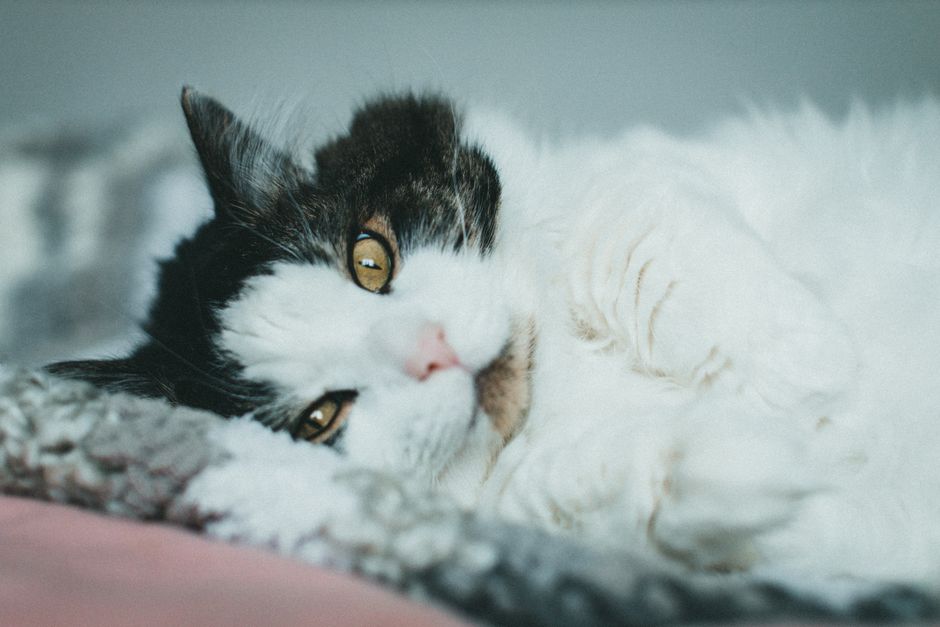
Several factors can trigger this imbalance in the gut. Knowing the cause is vital for long-term management:
- Antibiotic Use: While life-saving, antibiotics are “broad-spectrum,” meaning they kill both bad bacteria and the healthy bacteria your cat needs to digest food.
- Poor Diet: Diets high in fillers, artificial preservatives, or sudden changes in protein sources can overwhelm the digestive system.
- Chronic Stress: Cats are sensitive creatures. Moving homes, a new pet, or even a change in your work schedule can trigger physical changes in the gut environment.
- Parasites and Infections: Hidden worms or protozoa can alter the environment of the gut, favoring bad bacteria.
- Age: Senior cats may have a naturally changing microbiome, making them more susceptible to digestive sensitivities than their younger counterparts.
Clinical Signs and Symptoms of Why Your Cat’s Sensitive Stomach Might Be a Microbiome Issue

Identifying the signs of cat gut microbiome imbalance early can save your cat from weeks of discomfort. Look for these red flags:
- Frequent Vomiting: While an occasional hairball is normal, regular post-meal vomiting is not.
- Chronic Diarrhea or Soft Stool: If your cat’s stool is consistently unformed or watery, the gut flora is likely struggling to manage water absorption.
- Excessive Gas or Bloating: A distended belly or foul-smelling gas indicates that bacteria are fermenting food improperly.
- Poor Coat Quality: A dry, brittle coat can be a secondary symptom because an unhappy gut cannot absorb the vitamins and fatty acids needed for healthy skin and fur.
- Lethargy and Appetite Changes: When the gut feels “off,” cats often lose their spark or become very picky about what they will eat.
How to Diagnose Why Your Cat’s Sensitive Stomach Might Be a Microbiome Issue
Because these symptoms mimic other diseases (like kidney issues or thyroid conditions), diagnosis is important. Your veterinarian will likely use a few methods:
- Fecal Testing: This rules out parasites, worms, or bacterial infections like Salmonella.
- Blood Work: This helps ensure that the digestive upset isn’t secondary to organ failure, such as issues with the liver or pancreas.
- Dietary Trials: Sometimes, a vet will suggest an elimination diet to see if a specific protein is irritating the gut.
- Microbiome Mapping: Newer tests are available that analyze the DNA of the bacteria in your cat’s stool to see exactly which bacterial species are present or missing.
Treatment of Why Your Cat’s Sensitive Stomach Might Be a Microbiome Issue
The goal of treatment is to “reseed” the gut with healthy bacteria and provide an environment where they can thrive.
- Cat Probiotics: These are supplements containing live, beneficial bacteria. They act as “reinforcements” for the good bacteria in the gut.
- Prebiotics: These are fiber sources that serve as “food” for the good bacteria. Adding specific fibers, like pumpkin or psyllium husk (as directed by a vet), can encourage good bacteria to grow.
- Easily Digestible Diets: A temporary switch to a bland, high-quality, or hydrolyzed protein diet can give the gut a chance to rest and recover.
- Addressing Stress: Creating a calm environment with plenty of vertical space (cat trees) and hiding spots can have a massive impact on gut health.
Prevention and Control of Why Your Cat’s Sensitive Stomach Might Be a Microbiome Issue
Prevention is always better than cure. To maintain long-term feline digestive health, follow these steps:
- Slow Diet Transitions: Never change your cat’s food overnight. Always mix the old food with the new over a period of 7–10 days.
- Hydration is Key: Ensure your cat has access to fresh water. Proper hydration helps move food through the digestive tract smoothly, preventing “stagnant” gut syndrome.
- Keep Stress Low: Maintain a consistent routine for feeding and play.
- Use Antibiotics Wisely: Only give antibiotics if strictly prescribed by a vet. If they are necessary, ask your vet about using a cat-specific probiotic at the same time to mitigate the damage to the gut flora.
Frequently Asked Questions About Why Your Cat’s Sensitive Stomach Might Be a Microbiome Issue
1. Is my cat’s sensitive stomach just a food allergy? Not necessarily. While food allergies are possible, they are much less common than microbiome imbalances. Most “sensitivities” are actually issues with how the gut is processing food due to an imbalanced bacterial population.
2. Can I use human probiotics for my cat? It is generally discouraged. Human digestive tracts are different from feline tracts. Always use probiotics formulated specifically for cats to ensure they contain the right strains of bacteria that can survive the acidic environment of a cat’s stomach.
3. Are there natural remedies for a cat’s sensitive stomach? Yes, but they should be used with caution. Plain, canned pumpkin (not pie filling) can help with digestion, but you must consult your vet first to ensure the cat’s issues aren’t caused by something more serious, like an obstruction.
4. How long does it take for a microbiome to heal? It depends on the severity. Some cats show improvement within a few days of starting a high-quality probiotic, while others may take several weeks of dietary adjustment to see a complete turnaround.
5. Does a sensitive stomach mean my cat is sick? It means the digestive system is not functioning at 100%. While it doesn’t always indicate a life-threatening illness, it is a sign that your cat is not absorbing nutrients properly, which can lead to long-term health decline if left untreated.
When to Call a Veterinarian
Knowing when to see a vet for cat vomiting and diarrhea is critical. You should contact a professional immediately if you notice:
- Blood in the stool or vomit.
- Extreme lethargy or weakness.
- A complete refusal to eat or drink for more than 24 hours.
- The cat is straining to use the litter box but nothing is coming out (this can be a life-threatening urinary or fecal blockage).
- Weight loss over a short period.
If your cat is acting normal but the “sensitive stomach” symptoms persist for more than a few days, it is time to schedule a wellness exam.
Conclusion
A cat’s sensitive stomach is often a complex issue, but it is rarely something you have to live with forever. By focusing on the gut microbiome, you are looking at the foundation of your cat’s health. Whether it is through high-quality nutrition, the use of cat probiotics, or simple environmental changes, you have the power to restore your cat’s digestive balance.
Remember, your cat cannot tell you how they feel, but their digestive system speaks volumes. By paying attention to the signs of gut imbalance and taking proactive steps, you can help your cat lead a longer, happier, and much more comfortable life. If you are ever in doubt, your veterinarian is your best partner in navigating these intestinal mysteries. Stay observant, stay patient, and prioritize those “good” bacteria!