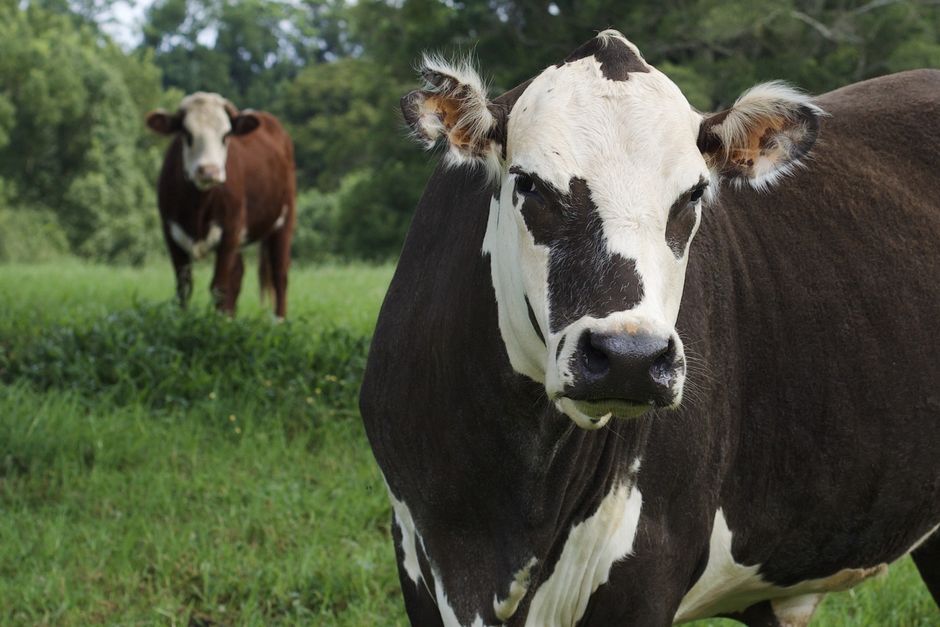
Nutrition for Pregnant Cows: Causes, Symptoms, Treatment and Prevention
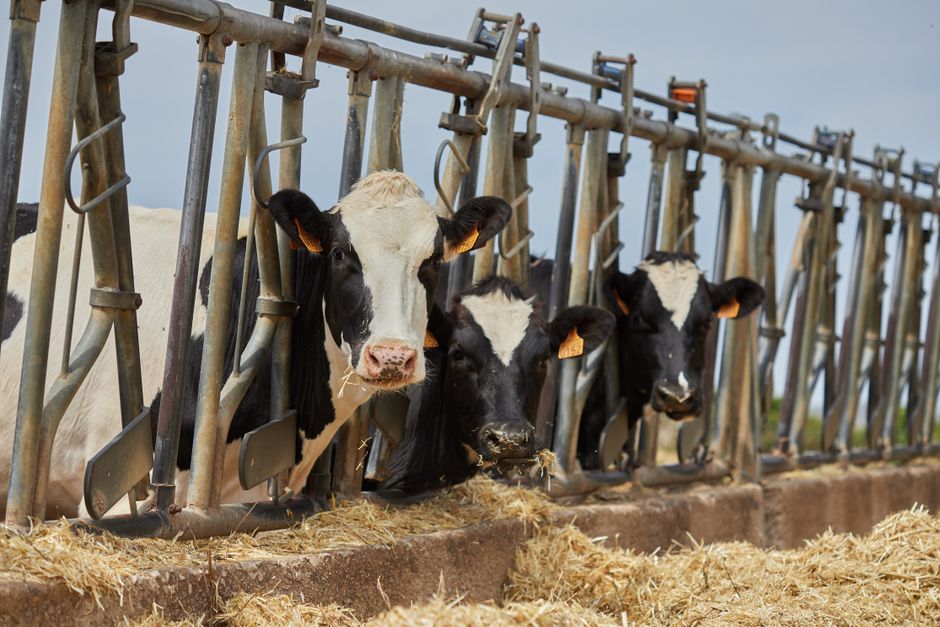
Nurturing Life: The Ultimate Guide to Nutrition for Pregnant Cows
The health and productivity of your beef or dairy herd hinge on countless factors, but few are as profoundly impactful as the nutrition provided to your pregnant cows. Far from being a mere maintenance period, gestation is a dynamic and demanding phase in a cow’s life, shaping not only her well-being but also the future potential of her unborn calf. Investing in superior nutrition for pregnant cows isn’t just a cost; it’s a strategic investment in healthier calves, easier calvings, stronger mothers, and enhanced overall herd profitability.
This comprehensive guide will delve into the critical aspects of gestational feeding, exploring the unique nutritional demands at each stage of pregnancy and offering practical strategies to ensure your cows and their calves thrive. Understanding these needs is fundamental to optimal cattle nutrition and robust ruminant health.
Why Gestational Feeding Matters So Much: A Dual Investment
Proper nutrition during pregnancy affects two lives: the cow and her developing fetus. The repercussions of inadequate or unbalanced feeding can be far-reaching, impacting everything from birth weight and calf vigor to the cow’s subsequent lactation and reproductive efficiency.
For the calf, the journey begins in utero. The mother’s diet dictates the availability of essential building blocks for organ development, muscle growth, and immune system programming. A well-nourished dam is more likely to deliver a healthy, vigorous calf with a strong start, less susceptible to disease, and with better growth potential throughout its life.
For the cow, optimal nutrition for pregnant cows ensures she maintains good body condition, reducing the risk of difficult calvings (dystocia) and speeding her recovery postpartum. It directly influences her colostrum quality – the calf’s first line of defense – and plays a vital role in her ability to rebreed efficiently and produce milk successfully in the next lactation cycle. This holistic approach to cattle nutrition during pregnancy truly pays dividends.
Decoding Gestation: Nutritional Needs Through Each Trimester
A common misconception is that a pregnant cow’s nutritional needs remain constant throughout her 283-day gestation period. In reality, these demands fluctuate dramatically, with the final third of pregnancy being the most critical. Tailoring your feeding program to these specific stages is key to successful gestational feeding.
Early Gestation: The Foundation Phase (First Trimester - Months 1-3)
During the first 90 days of pregnancy, the embryo undergoes implantation and initial development. Fetal growth during this period is minimal, meaning the cow’s nutritional requirements are not significantly higher than those of an open (non-pregnant) cow.
The primary goal here is to maintain the cow’s body condition score (BCS) within an ideal range (typically 5-6 on a 1-9 scale). Avoid both over-conditioning, which can lead to metabolic issues, and under-conditioning, which can compromise placental development and early fetal health. Adequate protein, energy, and a balanced mineral supply are still important to support the cow’s overall ruminant health.
Mid Gestation: Gradual Acceleration (Second Trimester - Months 4-6)
As the pregnancy progresses into the middle trimester, fetal growth begins to accelerate, albeit still at a moderate pace. The cow’s uterus and mammary glands also start to develop, requiring a slight increase in nutrient intake compared to early gestation.
Energy and protein requirements will gradually climb. This is a good time to ensure access to good quality forage and supplement with additional nutrients if your forage quality is low or if the cow’s BCS is dipping. Maintaining a steady body condition during this period helps prevent sudden changes that might stress the system later on. This phase sets the stage for the more demanding final trimester of nutrition for pregnant cows.
Late Gestation: The Critical Growth Spurt (Third Trimester - Months 7-9)
This is unequivocally the most crucial period for nutrition for pregnant cows. Approximately 70-80% of fetal growth occurs in the last two to three months of gestation. The calf is rapidly increasing in size, developing its bones, muscles, and organs, and storing energy reserves for birth. Simultaneously, the cow’s mammary glands are undergoing significant development, preparing for colostrum production and lactation.
The cow’s nutrient demands for energy, protein, and minerals can increase by 20-50% during this stage, depending on her breed, age, and environmental conditions. Skimping on feed during late gestation can have severe consequences:
- For the calf: Low birth weight, reduced vigor, compromised immune function, delayed standing/suckling, and increased susceptibility to scours and other diseases.
- For the cow: Increased risk of dystocia due to weak uterine contractions or an under-conditioned cow unable to push effectively, poor colostrum quality, delayed postpartum recovery, reduced milk production, and difficulty rebreeding.
It is during this critical phase that precise gestational feeding strategies become paramount to ensuring a healthy outcome for both mother and calf.
Essential Nutritional Components for Pregnant Cows
A balanced diet is made up of several key components, each playing a vital role in supporting the pregnant cow and her developing calf.
Energy: Fueling Growth and Maintaining Condition
Energy is the most commonly limiting nutrient for beef cows. It comes primarily from carbohydrates in forages (pasture, hay, silage) and grains (corn, barley). Adequate energy intake is vital for:
- Fetal growth: Providing the calories needed for rapid development.
- Maintaining cow body condition: Preventing excessive weight loss, which can compromise health and future fertility.
- Preparing for lactation: Building reserves for milk production.
- Physical activity and metabolism: Supporting the cow’s daily functions.
Insufficient energy intake in late gestation can lead to smaller, weaker calves and cows that struggle to calve and recover. Conversely, excessive energy, especially from rapidly digestible starches, can lead to over-conditioning and increased calving difficulty, particularly in heifers. Finding the right balance is central to effective cattle nutrition.
Protein: The Building Blocks of Life
Protein is essential for the growth and repair of all body tissues, including muscle, organs, and connective tissue. For the pregnant cow, protein is critical for:
- Fetal tissue development: Forming the calf’s rapidly growing muscles and organs.
- Mammary gland development: Preparing for milk synthesis.
- Colostrum production: Ensuring high-quality, antibody-rich first milk.
- Maintaining maternal muscle mass and overall health.
Sources of protein include good quality forages, legumes (alfalfa), and protein supplements like soybean meal, cottonseed meal, or distillers grains. The specific protein requirements vary by stage of gestation, with late gestation seeing the highest demand.
Minerals and Vitamins: The Micronutrient Powerhouses
Often overlooked, macro-minerals, trace minerals, and vitamins are absolutely vital for every physiological process in the cow and calf. Deficiencies can have devastating, though sometimes subtle, effects on ruminant health.
1. Macro-minerals: Required in larger quantities.
- Calcium (Ca) & Phosphorus (P): Essential for skeletal development in the calf and bone health in the cow. An imbalance or deficiency can lead to weak bones, milk fever, and poor reproductive performance.
- Magnesium (Mg): Important for nerve and muscle function, and to prevent grass tetany.
- Potassium (K), Sodium (Na), Sulfur (S): Involved in fluid balance, nerve transmission, and various metabolic processes.
2. Trace Minerals: Required in smaller amounts but equally critical.
- Copper (Cu), Zinc (Zn), Selenium (Se), Manganese (Mn): These are particularly important for immune function, enzyme systems, and proper fetal development. Deficiencies can lead to weakened immune responses in calves, poor growth, and reproductive issues in cows. For example, selenium deficiency can cause white muscle disease in calves and retained placentas in cows.
- Iodine (I): Essential for thyroid hormone production, which regulates metabolism and fetal development. Deficiency can lead to goiter and weak calves.
- Cobalt (Co): Required for the synthesis of Vitamin B12 by rumen microbes.
3. Vitamins:
- Vitamin A (Beta-carotene precursor): Crucial for vision, immune function, and epithelial tissue health. Often deficient in dry, weathered forages.
- Vitamin D: Essential for calcium and phosphorus absorption and bone development. Synthesized in the skin from sunlight, but supplementation may be needed in winter or confined conditions.
- Vitamin E: A powerful antioxidant, critical for immune function, muscle integrity, and preventing white muscle disease, especially when coupled with selenium.
Providing a high-quality, free-choice mineral supplement specifically formulated for pregnant cattle is often the most practical way to meet these demands.
Water: The Unsung Hero
It’s easy to focus on feed, but water is perhaps the most critical, yet often neglected, nutrient. Pregnant cows require ample access to fresh, clean water at all times. Water is essential for:
- Nutrient transport: Carries nutrients to the fetus and throughout the cow’s body.
- Metabolic processes: Involved in virtually every biochemical reaction.
- Temperature regulation: Helps the cow dissipate heat.
- Fetal fluid development: The amniotic fluid surrounding the calf is largely water.
Dehydration, even mild, can significantly impact feed intake and overall performance. Ensure water sources are clean, unfrozen, and easily accessible.
Practical Strategies for Optimal Gestational Feeding
Implementing a sound gestational feeding program requires proactive planning and consistent monitoring.
1. Master Body Condition Scoring (BCS)
Regularly assessing your cows’ BCS is your most powerful tool for managing their nutrition. Learn how to visually assess and palpate key areas (ribs, spine, hooks, pins, tail head) to assign a score.
- Target BCS: Aim for cows to enter late gestation at a BCS of 5.5-6.5 (on a 1-9 scale). This provides sufficient reserves for calving and lactation without being over-conditioned.
- Adjust feeding: Cows that are too thin need to gain condition early in gestation; cows that are too fat need their energy intake restricted. Never try to “catch up” a thin cow in the last 60 days, as the nutrients will primarily go to the fetus, not maternal reserves.
2. Test Your Forages
Never guess the nutritional value of your hay or silage. Send samples to a lab for analysis. This tells you the energy, protein, and mineral content, allowing you to accurately formulate supplements. Without forage analysis, you risk over- or under-feeding.
3. Strategic Supplementation
Based on your forage analysis and the stage of gestation, determine what supplements are needed.
- Energy supplements: Grains (corn, oats, barley) or energy-dense byproducts.
- Protein supplements: Soybean meal, cottonseed meal, distillers grains, or commercial protein tubs/cubes.
- Mineral-vitamin supplements: Always provide a high-quality, free-choice mineral mix specifically designed for pregnant cows. These often come in loose forms or blocks/tubs. Ensure it’s weather-protected and accessible.
4. Manage Pasture and Forage Quality
If cows are on pasture, manage grazing to ensure they have access to adequate forage quantity and quality. Rotational grazing can help maintain pasture quality. In dry conditions or during winter, hay or silage will become the primary forage source.
5. Consider Environmental Factors
Cold weather significantly increases energy requirements, as cows burn more calories to stay warm. Provide additional feed during cold snaps. Conversely, heat stress can reduce feed intake, so ensure shade and plenty of water.
6. Work with Experts
Collaborate with your veterinarian and an experienced livestock nutritionist. They can help you:
- Formulate customized diets based on your specific forage, cattle, and goals.
- Troubleshoot issues like poor performance or unusual health problems.
- Develop a strategic health plan that integrates nutrition with vaccinations and parasite control.
Common Pitfalls to Avoid in Nutrition for Pregnant Cows
Even experienced producers can fall into common traps regarding gestational feeding.
- Underfeeding in Late Gestation: The most detrimental mistake. It leads to weak calves, calving difficulties, and poor cow performance.
- Overfeeding Leading to Dystocia: While less common than underfeeding, over-conditioned cows, especially heifers, can have fat deposits around the birth canal, leading to difficult births.
- Ignoring Mineral Deficiencies: Trace mineral deficiencies can be silent killers of performance, leading to poor immunity, reproductive issues, and developmental problems in calves.
- Assuming All Forage is Equal: The quality of hay can vary wildly. Without testing, you’re operating blind.
- Inconsistent Feeding: Irregular feeding times or sudden changes in diet can cause digestive upset and stress. Gradual changes are always best.
Related Articles
- biosecurity measures on livestock farms a complete guide for farmers and pet owners
- want a vacuum that really works for pet hair this one is on sale for prime day
- dental care for dogs a complete guide for farmers and pet owners
Conclusion: An Investment in Future Generations
The period of gestation is a powerhouse of development, demanding thoughtful and precise nutritional management. Prioritizing nutrition for pregnant cows is not merely a task but a fundamental investment in the health and productivity of your entire operation. By understanding the evolving needs of your cows through each stage of pregnancy, providing balanced energy, protein, and micronutrients, and employing practical management strategies, you empower your herd to deliver strong, vibrant calves and maintain peak maternal health.
Remember, a healthy cow carries a healthy future. Consult with your veterinary and nutritional experts to fine-tune your gestational feeding program, ensuring robust cattle nutrition and optimal ruminant health that will benefit your farm for years to come.
Frequently Asked Questions (FAQs) about Nutrition for Pregnant Cows
1. How does nutrition specifically impact calving ease? Excellent nutrition for pregnant cows helps ensure the cow maintains an ideal body condition (not too thin or too fat) and develops strong uterine muscles. It also promotes optimal calf size – not too small and weak, nor excessively large, which can happen with overfeeding or specific genetics. Proper mineral balance supports strong contractions and a timely birth process, reducing the risk of dystocia.
2. What are the signs of a malnourished pregnant cow? Signs include noticeable loss of body condition (ribs, hips, and spine becoming prominent), dull coat, lethargy, reduced appetite, and a weakened immune response. In severe cases, you might observe a high incidence of weak or stillborn calves, or cows struggling to recover after calving. Regular body condition scoring is key to catching malnutrition early.
3. Can I feed pregnant cows too much? Yes, while underfeeding is more common, overfeeding pregnant cows, especially in late gestation, can lead to excessive fat deposition around the birth canal, increasing the risk of dystocia (difficult calving), particularly in heifers. It can also be an economic waste and potentially lead to metabolic issues.
4. How often should I check my pregnant cow’s body condition? It’s recommended to check BCS at key stages: at breeding, mid-gestation, 60-90 days before calving, and at calving. This allows you to make timely adjustments to their gestational feeding program, ensuring they are on track to calve at an ideal condition.
5. Are mineral blocks enough for pregnant cows? Mineral blocks can be a convenient source of minerals, but they are often not sufficient to meet the high and specific demands of pregnant cows, especially in late gestation. Consumption can be inconsistent, and the concentration of critical trace minerals might be too low. A high-quality, loose mineral mix designed for pregnant cattle, offered free-choice, is generally preferred for ensuring adequate intake.
6. What’s the most critical period for gestational feeding? The last 60-90 days (third trimester) of gestation are by far the most critical. During this time, the calf undergoes rapid growth (70-80% of its birth weight), and the cow’s mammary glands develop in preparation for lactation. Nutrient demands for energy, protein, and minerals skyrocket, making proper nutrition for pregnant cows during this period paramount.