Water Quality and Animal Health
The Unseen Lifeline: Why Water Quality is Non-Negotiable for Animal Health
Water. It’s the very essence of life, a fundamental requirement for every living organism on Earth. For our animals, whether they are beloved pets, productive livestock, or delicate aquatic inhabitants, water is more than just a thirst quencher. It’s an invisible cornerstone of their health, directly impacting everything from digestion and nutrient absorption to disease resistance and overall well-being. When we consider animal health, we often focus on nutrition, vaccinations, and shelter. Yet, the quality of the water our animals consume or live in is arguably the most overlooked, and potentially most dangerous, aspect of their care.
Poor water quality can silently undermine even the best animal husbandry practices, leading to reduced productivity, chronic illness, and even sudden death. Understanding the critical link between water quality and animal health isn’t just about preventing problems; it’s about proactively ensuring a vibrant, healthy life for all the animals under your care. This comprehensive guide will explore the multifaceted impacts of water quality, common threats, and actionable strategies to safeguard this vital resource for your animals.
Beyond Hydration: The Multifaceted Role of Water in Animal Physiology
Water’s importance extends far beyond simply keeping an animal hydrated. It is an active participant in virtually every physiological process:
- Nutrient Transport: Water acts as the medium for transporting essential nutrients, hormones, and oxygen to cells throughout the body.
- Waste Removal: It flushes metabolic waste products and toxins from the body via urine and feces.
- Temperature Regulation: Evaporation from the skin and respiratory tract, along with the high specific heat capacity of water, helps animals regulate their body temperature.
- Lubrication and Cushioning: Water is a key component of synovial fluid in joints, cerebrospinal fluid protecting the brain and spinal cord, and serves as a lubricant for eyes and other mucous membranes.
- Digestion and Absorption: It is crucial for enzymatic reactions in digestion and for the absorption of nutrients from the gastrointestinal tract.
A continuous supply of clean, potable water is therefore non-negotiable for optimal animal function and resilience.
The Hidden Threats: What Constitutes “Poor Water Quality”?
Water that looks clear and smells fine can still harbor a multitude of unseen dangers. Poor water quality and animal health issues often stem from various types of contaminants:
Microbiological Contaminants
These are perhaps the most immediate and widespread threats, leading directly to waterborne animal diseases. They include:
- Bacteria: E. coli, Salmonella, Campylobacter, Leptospira, Pseudomonas, and various coliform bacteria can cause severe gastrointestinal illness, reproductive problems, kidney damage, and systemic infections.
- Viruses: Though less common as primary waterborne animal pathogens, some viruses can be transmitted through water, especially in concentrated animal environments.
- Protozoa: Giardia, Cryptosporidium, and Coccidia are resilient microscopic parasites that can cause chronic diarrhea, malabsorption, and severe dehydration, particularly in young or immunocompromised animals.
- Algae: While many algae are harmless, certain species, particularly blue-green algae (cyanobacteria), can produce potent toxins (cyanotoxins) that are highly lethal to animals if ingested.
Chemical Contaminants
These can range from naturally occurring minerals to man-made pollutants:
- Nitrates and Nitrites: Often from agricultural runoff (fertilizers, manure), these can cause “blue baby syndrome” (methemoglobinemia) in young animals, impairing oxygen transport in the blood.
- Heavy Metals: Lead, arsenic, cadmium, mercury, and copper (in excessive amounts) can accumulate in animal tissues, leading to chronic organ damage, neurological issues, and reproductive failure.
- Pesticides and Herbicides: Runoff from treated fields can contaminate water sources, causing acute poisoning or long-term health problems.
- Industrial Pollutants: Chemicals, solvents, and byproducts from industrial activities can seep into groundwater or be discharged into surface waters.
- Excessive Minerals/Salts: High levels of total dissolved solids (TDS), magnesium, sulfate, or sodium can cause digestive upset, diarrhea, kidney strain, and reduced water intake due.
- Fluoride: While trace amounts are beneficial, excessive fluoride can lead to dental fluorosis (mottling, pitting of enamel) and bone abnormalities.
Physical Contaminants and Characteristics
Even without direct toxins, certain physical properties of water can be detrimental:
- Turbidity: Cloudy water from suspended sediment, clay, or organic matter can reduce palatability, irritate mucous membranes, and harbor pathogens, making disinfection less effective.
- pH Imbalance: Water that is too acidic or too alkaline can irritate the digestive tract, interfere with nutrient absorption, and contribute to corrosion of plumbing systems, potentially leaching metals.
- Hardness: High mineral content (calcium, magnesium) can leave deposits in plumbing, but generally poses less direct health risk than other contaminants, though it can affect palatability and efficacy of some medications.
- Temperature Extremes: Water that is too hot or too cold can reduce intake, especially for livestock, leading to dehydration. For aquatic species, temperature is a critical environmental factor.
The Impact Across Animal Populations
The consequences of poor water quality and animal health problems manifest differently depending on the animal species, their environment, and the specific contaminants involved.
Livestock Water Safety: Protecting Your Herd and Your Bottom Line
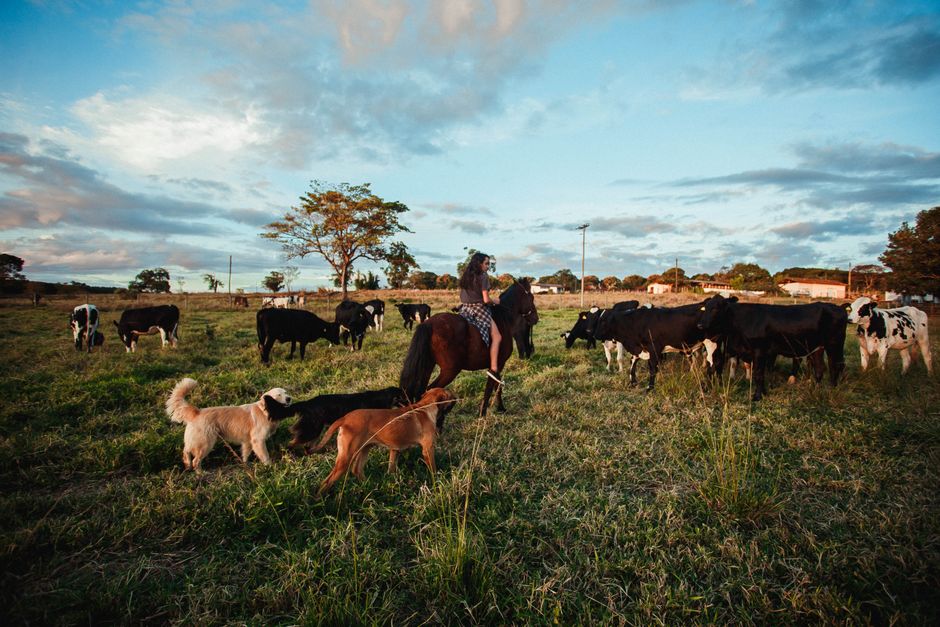
For farmers and ranchers, livestock water safety is paramount, directly influencing productivity and profitability. Poor water quality in livestock can lead to:
- Reduced Feed Intake and Growth Rates: Animals drink less and eat less if water is unpalatable or contaminated, leading to stunted growth, poor weight gain, and lower feed conversion efficiency.
- Decreased Production: Dairy cows may produce less milk, laying hens may produce fewer eggs, and breeding animals may experience reduced fertility or reproductive failures.
- Increased Incidence of Disease: Contaminated water is a primary vector for waterborne animal diseases like E. coli scours, salmonellosis, giardiasis, and leptospirosis, leading to veterinarian costs, medication, and potential animal losses.
- Subclinical Issues: Animals may not show overt signs of illness but suffer from chronic low-level health issues, reducing their overall vitality and lifespan.
- Economic Losses: The combined effects of reduced production, increased disease, and treatment costs can severely impact a farm’s economic viability.
Proper management of watering systems, from wells and ponds to troughs and automated waterers, is crucial for maintaining livestock water safety.
Aquatic Animal Health: A Delicate Balance
For fish, amphibians, reptiles, and invertebrates in aquariums, ponds, or aquaculture systems, water isn’t just a drink; it’s their entire environment. Aquatic animal health is inextricably linked to water parameters.
- Ammonia, Nitrite, and Nitrate: The nitrogen cycle is critical. Ammonia and nitrite are highly toxic byproducts of waste, even in low concentrations, causing gill damage, stress, and death. While nitrate is less toxic, high levels indicate poor water changes and can contribute to chronic stress.
- pH Levels: Each aquatic species has a specific pH range it thrives in. Deviations can cause osmotic stress, impair organ function, and make them susceptible to disease.
- Dissolved Oxygen: Insufficient oxygen levels lead to respiratory distress, lethargy, and ultimately suffocation. Overstocking, decaying organic matter, and high temperatures can deplete oxygen.
- Temperature Fluctuations: Sudden or extreme changes in water temperature cause severe stress, weakening immune systems and leading to disease outbreaks like Ich (white spot disease).
- Salinity: For brackish or marine species, maintaining appropriate salt levels is vital for osmoregulation.
- Turbidity and Sediment: Can clog gills, reduce visibility, and harbor pathogens.
Maintaining precise and stable water parameters is the cornerstone of aquatic animal health and disease prevention.
Companion Animals and Equine: Everyday Vigilance
Our pets and horses are also vulnerable to poor water quality.
- Companion Animals (Dogs, Cats): Access to dirty puddles, stagnant outdoor water, or even inadequately cleaned water bowls can expose pets to bacteria like Leptospira or parasites like Giardia. Chronic exposure to certain chemicals can lead to kidney disease or other organ damage.
- Equine: Horses are particularly susceptible to issues from poor water. Contaminated water can lead to colic, diarrhea, reduced performance, and even neurological signs from toxic algae blooms or heavy metals. Consistent access to fresh, clean water is essential for preventing impaction colic and maintaining overall health.
Recognizing the Signs: When Water Quality Might Be the Problem
Animals can’t tell us directly when their water is bad, but they often show subtle (or not so subtle) signs. Be vigilant for:
- Reluctance to Drink: Animals may avoid a water source if it smells or tastes off.
- Reduced Water Intake: Even if they drink, they may consume less than normal, leading to mild dehydration.
- Changes in Appetite: Often accompanying reduced water intake.
- Gastrointestinal Distress: Diarrhea, vomiting, colic, or bloat can all be signs of waterborne animal diseases or chemical irritation.
- Poor Coat/Skin Condition: Chronic health issues can manifest externally.
- Lethargy and Weakness: General signs of illness or chronic stress.
- Unexplained Illness or Death: Particularly if multiple animals are affected, water should be the first suspect.
- Reproductive Problems: Infertility, abortions, or birth defects can sometimes be linked to contaminants like nitrates or heavy metals.
- Behavioral Changes in Aquatic Animals: Gasping at the surface, rapid gill movement, lethargy, hiding, or unusual swimming patterns.
- Visible Water Issues: Odors (sulfur, chemical), unusual color, turbidity, film on the surface, or excessive algae growth.
Ensuring Optimal Water Quality: Actionable Strategies for Animal Keepers
Proactive management of water sources is the most effective way to protect your animals. Here are practical steps you can take:
1. Regular Water Testing: Know What’s In Your Water
This is the single most important step. You cannot manage what you do not measure.
- When to Test:
- Annually for well water, or more frequently if problems are suspected.
- Whenever animals show unexplained health issues.
- After any major environmental event (flooding, heavy rains).
- Before introducing new animals to a water source.
- For aquatic systems, regular test kits are crucial (daily to weekly depending on the setup).
- What to Test For:
- Bacterial Contaminants: Total coliforms, E. coli are key indicators.
- Chemical Contaminants: Nitrates, nitrites, sulfates, chlorides, pH, total dissolved solids (TDS), and specific heavy metals if suspected.
- Pesticides/Herbicides: If agricultural runoff is a concern.
- Aquatic-Specifics: Ammonia, nitrite, nitrate, pH, dissolved oxygen, temperature, salinity (for marine/brackish).
- How to Test: Use accredited laboratories for comprehensive analyses of drinking water. For aquatic systems, reliable home test kits are available, but professional labs can offer more detailed analysis if needed.
2. Source Management: Protecting Water at the Point of Origin
- Wells: Ensure wellheads are properly sealed and above ground level to prevent surface runoff contamination. Inspect casing for cracks. Maintain proper setback distances from septic systems, manure storage, and feedlots.
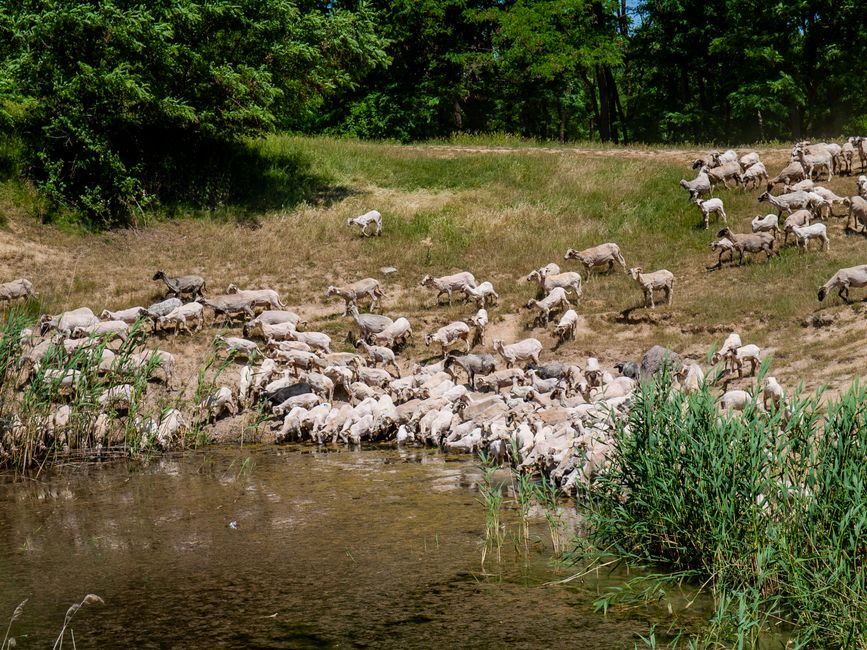
- Surface Water (Ponds, Streams): Fence off access to prevent direct animal defecation into the water. Manage runoff from agricultural fields or pastures to minimize nutrient and pesticide entry. Control excessive aquatic vegetation to prevent oxygen depletion and toxic algae blooms.
- Municipal Water: While generally treated, it’s still worth occasional testing, especially if you notice changes, or if using it for highly sensitive aquatic species.
3. Storage and Delivery Systems: Cleanliness is Key
Even clean source water can become contaminated in poor storage or delivery.
- Troughs and Buckets: Clean daily, or at least every few days, scrubbing away biofilm, algae, and debris. This is crucial for livestock water safety.
- Automated Waterers: Inspect and clean regularly, flushing lines to prevent mineral buildup and bacterial growth.
- Pipes and Plumbing: Ensure pipes are made of appropriate, non-leaching materials (e.g., PVC, PEX, not old lead pipes). Check for leaks or areas where water might stagnate.
- Water Tanks/Reservoirs: Inspect and clean storage tanks annually to remove sediment and biofilm. Keep them covered to prevent debris and animal entry.
4. Water Treatment Options: Enhancing Safety
Depending on your water test results, treatment may be necessary.
- Filtration: Sediment filters remove particulate matter, improving clarity. Carbon filters can remove chlorine, some organic compounds, and improve taste/odor.
- Disinfection: Chlorination (controlled) or UV light systems can kill bacteria and viruses. Ensure proper dosing and contact time, and consider consulting an expert.
- Aeration: For ponds or large water bodies, aeration can increase dissolved oxygen, prevent stratification, and reduce the likelihood of toxic algae blooms.
- pH Adjustment: For aquatic systems, buffers can be used to maintain the ideal pH.
- Water Softeners: Can reduce mineral hardness, primarily for plumbing protection, but may also improve palatability for some animals.
5. Continuous Monitoring and Maintenance: Ongoing Vigilance
- Daily Visual Checks: Look for changes in water clarity, color, and odor. Observe animals’ drinking habits.
- Seasonal Adjustments: Account for heavy rainfall, drought, extreme temperatures, and increased runoff during certain seasons.
- Record Keeping: Maintain records of water test results, cleaning schedules, and any observed animal health issues. This helps identify patterns and troubleshoot problems.
The Role of Your Veterinarian
Your veterinarian is an invaluable partner in ensuring optimal water quality and animal health. They can:
- Help Interpret Water Test Results: Understand what the numbers mean for your specific animals.
- Diagnose Water-Related Illnesses: Identify waterborne animal diseases or chemical toxicities and recommend appropriate treatment.
- Advise on Preventative Strategies: Offer tailored recommendations for your farm, kennel, or home, considering your specific water sources and animal needs.
- Guide Treatment Options: Recommend safe and effective water treatment methods if necessary.
Don’t hesitate to involve your vet if you suspect water quality issues are impacting your animals.
Related Articles
- biosecurity measures on livestock farms a complete guide for farmers and pet owners
- dental care for dogs a complete guide for farmers and pet owners
- dystocia and difficult births in cattle a complete guide for farmers and pet owners
Conclusion: Investing in Water Quality is Investing in Animal Health
The profound connection between water quality and animal health cannot be overstated. From the smallest backyard flock to the largest commercial operation, from a single beloved pet to a complex aquatic ecosystem, the availability of clean, safe water is the bedrock of wellness. By understanding the potential contaminants, implementing regular testing, and maintaining diligent management of your water sources and delivery systems, you are not just preventing problems; you are actively promoting a higher quality of life, greater productivity, and robust health for all your animals. Make water quality a top priority in your animal care regimen – it’s an investment that pays dividends in vitality and peace of mind.
Frequently Asked Questions (FAQs)
1. How often should I test my animal’s water? For well water, an annual comprehensive test is recommended. If you notice any changes in water appearance, odor, or if animals exhibit unexplained health issues, test immediately. For aquatic systems, specific parameters like ammonia, nitrite, and pH should be tested daily to weekly, depending on the tank’s maturity and inhabitants.
2. What are the most common signs of waterborne disease in animals? Common signs include diarrhea, vomiting, reluctance to drink, lethargy, reduced appetite, and poor growth. In aquatic animals, symptoms can include gasping at the surface, fin clamping, discolored gills, or unusual swimming patterns. If multiple animals are affected, water quality should always be considered a potential cause.
3. Is well water always safer than municipal water for animals? Not necessarily. While municipal water is typically treated and monitored for human consumption, it can still contain chlorine or other additives that might affect sensitive animals or aquatic species. Well water, on the other hand, is susceptible to contamination from agricultural runoff, septic systems, or geological factors, and its quality can fluctuate seasonally. Both sources require monitoring.
4. Can poor water quality affect breeding animals or offspring? Absolutely. Certain contaminants like high nitrates can cause reproductive issues, abortions, or “blue baby syndrome” (methemoglobinemia) in young animals. Heavy metals can also lead to birth defects or reduced fertility. Clean water is crucial for reproductive success and healthy development.
5. What’s the difference between water filtration and disinfection? Filtration physically removes particles, sediment, and some chemical impurities from water, improving clarity and often taste. It’s a physical barrier. Disinfection, such as chlorination or UV treatment, uses chemical or physical means to kill or inactivate harmful microorganisms like bacteria and viruses. Both can be important components of ensuring livestock water safety and overall water quality and animal health.