Zoonotic Diseases Farmers Should Know: Causes, Symptoms, Treatment and Prevention
Zoonotic Diseases Farmers Should Know: Safeguarding Your Farm, Your Family, and Yourself
Farming is more than just a job; it’s a way of life, a deep connection to the land and the animals you raise. With this unique connection, however, comes a unique set of responsibilities and potential risks. One of the most critical areas for any farmer to understand is the threat of zoonotic diseases – illnesses that can be transmitted between animals and humans.
Understanding and actively managing these risks is not just about farm animal health; it’s about agricultural worker safety, protecting your family, and contributing to broader veterinary public health. This comprehensive guide will equip you with the essential knowledge about Zoonotic Diseases Farmers Should Know, offering practical strategies for livestock disease prevention and ensuring a safer, healthier farm environment for everyone.
What Exactly Are Zoonotic Diseases?
Simply put, zoonotic diseases are infections that can naturally pass from animals to humans, and sometimes from humans back to animals. They are caused by various pathogens, including bacteria, viruses, parasites, and fungi. While some are well-known, others might surprise you.
For farmers, the close, daily contact with livestock, poultry, and even wildlife creates a constant interface where these pathogens can potentially jump species. This makes your role in preventing their spread absolutely vital, not just for your own well-being but for that of your entire community.
Why Farmers Are Particularly Vulnerable
Your daily routine often involves direct contact with animals, their waste, and their environment. This inherent proximity places you and your workers at a higher risk compared to the general population. Understanding why you’re more vulnerable is the first step in effective prevention.
You might be exposed through various routes:
- Direct Contact: Touching animals, their bodily fluids, or infected tissues.
- Indirect Contact: Coming into contact with contaminated equipment, facilities, or bedding.
- Aerosol Transmission: Breathing in airborne particles from animal coughs, sneezes, or dusty environments.
- Vector-borne: Bites from insects like ticks, mosquitoes, or fleas that have fed on infected animals.
- Foodborne: Consuming undercooked meat, unpasteurized milk, or contaminated produce from animal waste.
- Waterborne: Drinking or using water contaminated by animal waste.
The cumulative effect of these exposures means that maintaining robust farm animal health protocols directly impacts agricultural worker safety.
Common Zoonotic Diseases Every Farmer Should Understand
While there are many zoonotic diseases, some are more common or pose a greater risk in agricultural settings. Here’s a look at some of the key Zoonotic Diseases Farmers Should Know:
1. Salmonellosis
Salmonella is a widespread bacterium found in the intestines of many animals, including poultry, cattle, pigs, and even reptiles. Animals carrying Salmonella may not show any signs of illness themselves.
How it Spreads to Humans: You can get Salmonella through direct contact with infected animals or their feces, or indirectly through contaminated feed, water, or equipment. Foodborne transmission from consuming undercooked meat, eggs, or unpasteurized dairy products is also a significant route.
Human Symptoms: Symptoms typically include diarrhea, fever, abdominal cramps, and sometimes vomiting. While most people recover without specific treatment, severe cases can lead to hospitalization or even be life-threatening, especially in young children, the elderly, or those with weakened immune systems.
2. E. coli O157:H7
While many E. coli strains are harmless, O157:H7 is a particularly dangerous type. It is commonly found in the intestines of healthy cattle, sheep, and goats, which act as asymptomatic carriers.
How it Spreads to Humans: Exposure can occur through direct contact with animal feces, contaminated water sources, or improper hygiene after handling livestock. A major concern is foodborne transmission through undercooked ground beef, unpasteurized milk, or contaminated produce (e.g., from manure runoff).
Human Symptoms: Symptoms range from severe abdominal cramps and watery diarrhea (often bloody) to kidney failure in serious cases, known as Hemolytic Uremic Syndrome (HUS). HUS is particularly dangerous for children and the elderly.
3. Leptospirosis
Leptospirosis is a bacterial disease caused by Leptospira bacteria, found worldwide in many wild and domestic animals, including cattle, pigs, dogs, rodents, and wildlife. Infected animals shed the bacteria in their urine, contaminating water and soil.
How it Spreads to Humans: You can contract Leptospirosis by coming into contact with contaminated water, soil, or animal urine, especially through broken skin (cuts, abrasions), mucous membranes (eyes, nose, mouth), or by ingesting contaminated water. Activities like wading in floodwaters or cleaning animal pens without proper protection are high-risk.
Human Symptoms: Symptoms can be flu-like, including fever, headache, muscle aches, chills, and vomiting. In severe cases, it can lead to kidney damage, meningitis, liver failure, respiratory distress, and even death. It’s often mistaken for other illnesses, making diagnosis challenging.
4. Brucellosis
Brucellosis is a bacterial disease primarily affecting cattle, goats, sheep, and pigs, causing reproductive problems like abortions and infertility. In many regions, comprehensive eradication programs have significantly reduced its prevalence, but it remains a concern in some areas and for specific livestock types.
How it Spreads to Humans: Humans typically contract Brucellosis through direct contact with infected animals or their birth products (fetuses, placental tissues), unpasteurized milk or dairy products, or by inhaling contaminated aerosols in barns or slaughterhouses. Handling an aborted fetus from an infected animal is particularly risky.
Human Symptoms: Often called “undulant fever,” human symptoms can be chronic and debilitating, including fever, sweats, headaches, muscle pain, and profound fatigue. It can affect various organ systems, leading to complications in the joints, heart, or central nervous system.
5. Q Fever
Q Fever is caused by the bacterium Coxiella burnetii and primarily affects ruminants like cattle, sheep, and goats, often without causing obvious signs of illness in the animals themselves. They shed large numbers of bacteria in birth products (placenta, amniotic fluid), feces, urine, and milk.
How it Spreads to Humans: You can primarily get Q Fever by inhaling contaminated aerosols from infected animals or their birth products, especially during lambing, calving, or kidding. Handling hides, wool, or working in dusty barns can also pose a risk. The bacteria are highly resistant and can survive in the environment for extended periods.
Human Symptoms: Many human infections are asymptomatic, but others develop flu-like symptoms, including high fever, severe headache, muscle aches, and fatigue. In some cases, it can lead to pneumonia or hepatitis. A small percentage develop chronic Q Fever, which can be a serious, long-term illness affecting the heart (endocarditis).
6. Ringworm (Dermatophytosis)
Ringworm is a fungal infection of the skin, hair, or nails, not a worm at all! It’s common in many farm animals, particularly young calves, kittens, and puppies, causing circular patches of hair loss or scaly lesions.
How it Spreads to Humans: You can get ringworm through direct contact with infected animals or indirectly from contaminated grooming tools, bedding, or fencing. It’s highly contagious.
Human Symptoms: In humans, it typically appears as a red, itchy, circular rash with raised edges and a clearer center, often resembling a ring. It can affect the skin, scalp, or nails. While not life-threatening, it can be persistent and uncomfortable.
Proactive Strategies for Livestock Disease Prevention and Agricultural Worker Safety
Preventing zoonotic diseases requires a comprehensive approach. Implementing robust biosecurity measures and maintaining good personal hygiene are paramount for livestock disease prevention and safeguarding agricultural worker safety.
1. Robust Biosecurity Measures
Biosecurity is your first line of defense against disease introduction and spread on your farm.
- Controlled Access: Limit visitors to animal areas and ensure anyone entering follows strict protocols, including wearing clean boots and clothing, and using foot baths.
- Quarantine New Animals: Isolate all new animals (and those returning from shows or sales) for at least 30 days. Observe them for signs of illness and test them as recommended by your veterinarian before introducing them to the main herd or flock.
- Cleaning and Disinfection: Regularly clean and disinfect barns, pens, equipment, and vehicles. Remove organic matter before applying disinfectants, as they are less effective on dirty surfaces.
- Pest Control: Implement effective rodent and insect control programs. Pests can carry and transmit various pathogens between animals and to humans.
- Segregation of Animals: Keep different species separate where possible, especially if one species is known to be a carrier for a specific zoonotic disease that affects another.
2. Personal Protective Equipment (PPE)
Appropriate PPE creates a barrier between you and potential pathogens, significantly reducing your risk of exposure.
- Gloves: Wear disposable gloves when handling sick animals, assisting with births, cleaning pens, or dealing with any animal bodily fluids or waste.
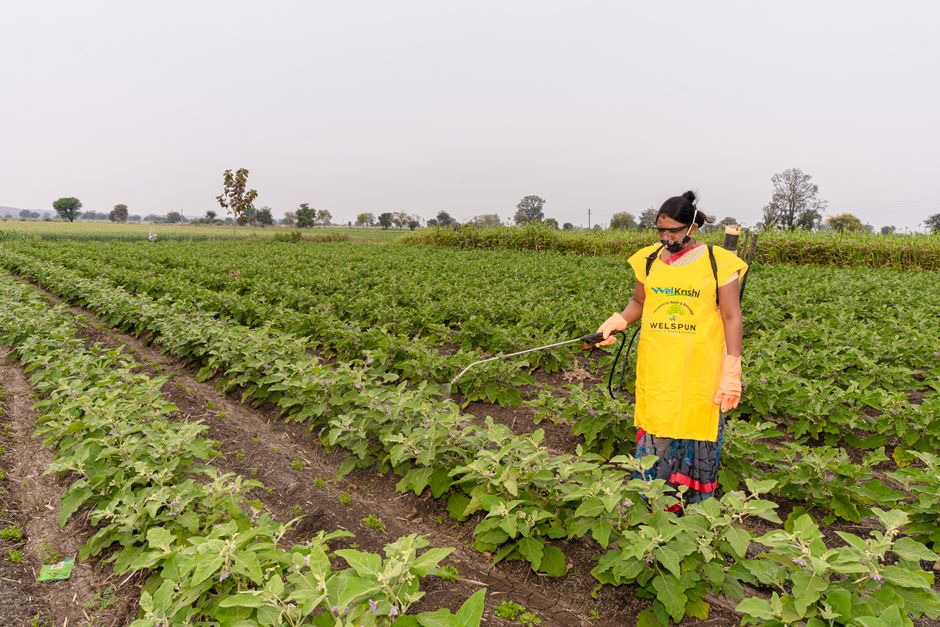
- Protective Clothing: Use dedicated work clothes, coveralls, or waterproof aprons that can be easily cleaned and disinfected or laundered separately from your household clothes.
- Footwear: Wear sturdy, waterproof boots that can be cleaned and disinfected. Consider dedicated boots for specific areas of the farm.
- Respiratory Protection: When performing dusty tasks (e.g., cleaning barns, handling hay, grinding feed) or working with animals suspected of respiratory illness, wear an N95 respirator mask to protect against airborne particles and pathogens (like those that transmit Q Fever).
- Eye Protection: Use safety glasses or goggles to protect your eyes from splashes, dust, and aerosols, especially during birthing or wound care.
3. Rigorous Hygiene Practices
Good personal hygiene is simple, effective, and crucial for preventing disease transmission.
- Handwashing: Wash your hands thoroughly with soap and warm water immediately after any contact with animals, their enclosures, or equipment, and before eating, drinking, or smoking. If soap and water aren’t available, use an alcohol-based hand sanitizer (at least 60% alcohol), but remember it’s not a substitute for washing visibly dirty hands.
- No Eating or Drinking in Animal Areas: Never eat, drink, or smoke in barns or animal housing areas. This prevents accidental ingestion of pathogens.
- Shower After Work: Showering and changing into clean clothes immediately after farm work helps remove any contaminants before entering your home.
4. Vaccination Programs
Vaccinating your animals against common diseases is a cornerstone of livestock disease prevention. Work with your veterinarian to develop a tailored vaccination schedule for your herd or flock. This protects your animals and reduces the overall pathogen load on your farm, indirectly protecting humans.
- Talk to Your Doctor: For some zoonotic diseases (e.g., Q Fever, Leptospirosis), human vaccines might be available and recommended for high-risk individuals. Discuss this with your healthcare provider.
5. Proper Animal Handling and Stress Reduction
Animals under stress or suffering from poor welfare are more susceptible to disease.
- Gentle Handling: Minimize stress on your animals through calm, low-stress handling techniques.
- Adequate Nutrition and Housing: Provide appropriate nutrition, clean water, and well-ventilated, clean housing to support strong immune systems.
- Isolate Sick Animals: Quickly identify and isolate sick animals to prevent the spread of illness within your herd and to other species, including humans.
6. Effective Waste Management
Proper disposal of animal waste, dead animals, and birthing products is critical.
- Manure Management: Implement safe manure handling and storage practices to prevent environmental contamination, especially of water sources.
- Carcass Disposal: Dispose of dead animals promptly and safely according to local regulations (e.g., composting, rendering, incineration) to prevent scavengers and disease spread.
- Birthing Waste: Handle and dispose of placentas and aborted fetuses with extreme care, as they can contain very high concentrations of pathogens.
7. The Indispensable Role of Your Veterinarian
Your veterinarian is your most valuable partner in farm animal health and veterinary public health.
- Regular Consultations: Schedule regular visits for health assessments, vaccination planning, and disease surveillance.
- Diagnostic Testing: If you suspect an animal illness, your vet can perform diagnostic tests to identify the pathogen and guide treatment.
- Disease Prevention Plans: Work together to create and refine comprehensive biosecurity and disease prevention plans tailored to your specific farm.
- Education: Your vet can provide crucial information and training on zoonotic risks and safe practices for you and your workers.
8. Continuous Education and Training
Knowledge is power when it comes to disease prevention.
- Stay Informed: Keep up-to-date on emerging animal health threats and best practices.
- Train Your Staff: Ensure all farm workers understand the risks of zoonotic diseases, the importance of PPE, and proper hygiene and handling procedures. Regular refresher training is vital for agricultural worker safety.
Recognizing the Early Warning Signs
Being observant is key. While some animals may not show symptoms of carrying zoonotic diseases, others will. Pay attention to any changes in your animals’ behavior or health.
- Changes in Appetite or Water Intake: Eating less or refusing to drink.
- Lethargy or Depression: Animals appear unusually tired, listless, or withdrawn.
- Respiratory Signs: Coughing, sneezing, nasal discharge, or difficulty breathing.
- Digestive Issues: Diarrhea, vomiting, or unusual changes in feces.
- Reproductive Problems: Abortions, stillbirths, or infertility (common with Brucellosis and Q Fever).
- Skin Lesions: Rashes, hair loss, scabs, or unusual growths (like with Ringworm).
- Nervous System Signs: Tremors, incoordination, or unusual behavior.
If you observe any concerning signs, isolate the animal immediately and contact your veterinarian. Early diagnosis and intervention are critical for livestock disease prevention and to protect human health.
Protecting Your Family and Community
Your farm is not an isolated entity. Disease on your farm can impact your family, neighbors, and the broader community. Educate your family members, especially children, about safe animal interactions and hygiene. Ensure visitors, particularly children, understand the rules of your farm and practice proper handwashing. By rigorously implementing these prevention strategies, you contribute significantly to veterinary public health and safeguard everyone connected to your operation.
A Commitment to Health and Safety
Being a farmer means dedicating yourself to the land and the animals. It’s a demanding but incredibly rewarding profession. By actively learning about Zoonotic Diseases Farmers Should Know and committing to robust livestock disease prevention and agricultural worker safety practices, you’re not just protecting your livelihood; you’re protecting your own health, the health of your family and employees, and the welfare of your community. Partner with your veterinarian, stay informed, and make health and safety a priority every single day.
Frequently Asked Questions (FAQs)
1. What is the most common zoonotic disease farmers should be aware of? While prevalence varies by region and livestock type, common bacterial infections like Salmonellosis and E. coli O157:H7 are widespread concerns due to their presence in multiple animal species and various transmission routes. Fungal infections like Ringworm are also very common.
2. Can my pets transmit zoonotic diseases from the farm to my family? Yes, pets can potentially carry pathogens from the farm environment into your home. Ensure your farm dogs and cats are kept clean, regularly vet-checked, and minimize their access to areas where sick livestock are housed. Always wash your hands after handling pets, especially if they’ve been in contact with farm animals.
3. How often should I clean and disinfect my farm equipment? Equipment should be cleaned and disinfected regularly, especially after contact with sick animals or contaminated areas. High-contact equipment, feeding troughs, and waterers should be cleaned daily or weekly. Shared equipment, or equipment used off-site, requires thorough cleaning before and after each use.
4. Are all farm animals potential carriers of zoonotic diseases? Yes, virtually all farm animals (cattle, sheep, goats, pigs, poultry, horses) can potentially carry and transmit one or more zoonotic pathogens, even if they appear healthy. Wildlife, rodents, and insects can also play a role. This is why universal precautions and good hygiene are essential.
5. What should I do if I suspect I have contracted a zoonotic disease? If you experience flu-like symptoms, unusual rashes, or any other concerning health issues after working on the farm, contact your healthcare provider immediately. Be sure to inform them about your occupation and any recent animal exposures, as this information is crucial for accurate diagnosis and treatment.
6. Is there a central resource where I can find more information on zoonotic diseases relevant to my region? Yes, your national or local public health authority, agricultural department, or veterinary association websites (e.g., CDC, USDA, OIE, local university extensions) are excellent resources for regional information, specific disease guidelines, and emerging threats. Your local veterinarian can also provide tailored advice.